Sewer Repair Chicago: What Every Homeowner Needs to Know
Is your property plagued by frequent backups or slow drains? Do you notice foul odors wafting from your basement or yard?
These aren’t just minor inconveniences – they could be warning signs of a serious sewer line problem that requires immediate attention. At Rescue Plumbing, we understand that main sewer line issues can be both disruptive and concerning for Chicago, IL homeowners.
As licensed professionals with extensive experience in Chicago’s unique plumbing infrastructure, we’re here to provide you with comprehensive information about sewer repair services.
Understanding Sewer Systems
Before diving into repair specifics, it’s essential to understand what a sewer system is and how it functions, especially in Chicago’s environment.
What is a Sewer Line?
A sewer line is any underground pipe or basin that carries sewage away from your property to a treatment facility, playing a crucial role in maintaining public health and sanitation.
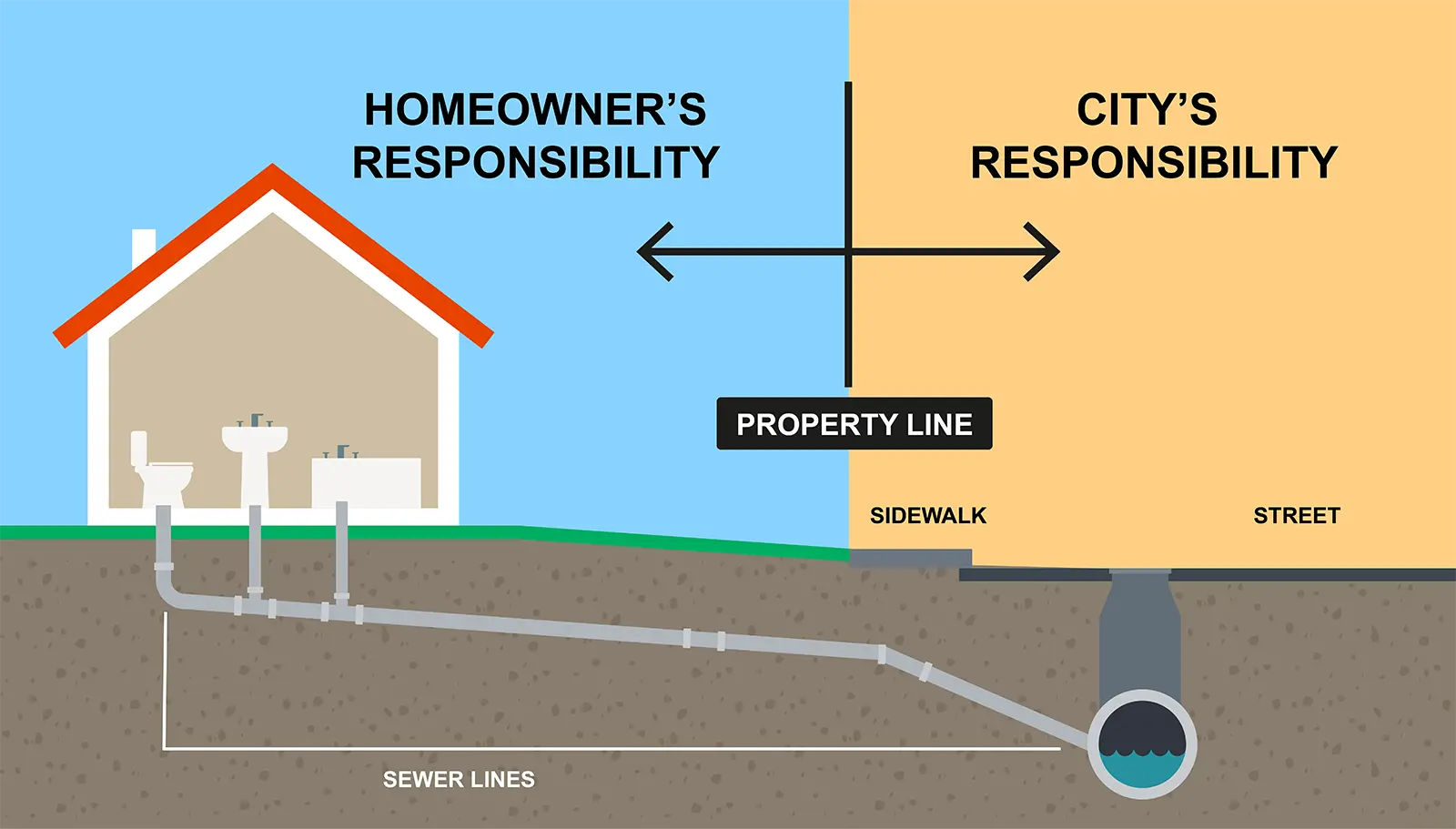
Your property’s sewer system begins where drainage pipes enter the ground and extends all the way to the municipal sewage treatment facility. This complex network can be divided into two main categories, private lines and public lines.
The clean check valve offers a dependable, cost-effective defense against temporary sewage backups. Its compact design makes it a popular choice among homeowners. But keep in mind it only allows limited water usage indoors until the overflow subsides.
Private lines are the part of your sewer system that connect your home’s plumbing fixtures:
- Run underneath your property
- Typically extend from your basement through your yard
- Start at your home’s plumbing fixtures (toilets, sinks, etc.)
- Property owner is responsible for maintenance and repairs
- Usually consist of 6-inch diameter pipes for residential properties
Public lines are sewer pipes maintained by the city that run under public streets and connect to municipal treatment facilities:
- Maintained by the City of Chicago
- Begin at the property line or city main
- Run under public streets and easements
- Connected to municipal treatment facilities
- Typically larger in diameter than private lines
Licenses for Chicago Sewer Repair
When it comes to sewer repair in Chicago, proper licensing isn’t just a formality—it’s a crucial indicator of expertise and legal compliance. A reputable sewer repair company must hold specific licenses to operate legally and safely within the city limits.
Required Licenses
Proper licensing is essential for any sewer repair work in Chicago, as it ensures compliance with city regulations and reflects a company’s expertise in handling both private and public sewer systems. Below are the key licenses required for reputable sewer repair.
Drain Layers License is a necessary credential for all sewer repair work in Chicago. This license confirms our expertise, demonstrated through rigorous examinations and verified projects, underscoring our capability in handling complex sewer repairs and installations.
Rescue Plumbing holds Drain Layers License: #2924.
CDOT Public Way Work License is issued by the Chicago Department of Transportation, we are authorized to perform repairs on both private and city properties. This license is essential for work in public areas, such as sidewalks and streets, and requires a $20,000 security deposit to protect public.
Rescue Plumbing holds CDOT License: #PWW201209.
Why Proper Licensing Matters
Proper licensing is essential for safe, compliant, and high-quality sewer repair work in Chicago. Contractors like Rescue Plumbing bring added protections through insurance, adherence to city regulations, and consumer safeguards, giving property owners peace of mind and legal assurance throughout the repair process.
City-mandated insurance protects property owners from liability and covers potential damage to city infrastructure as well as unexpected issues that may arise.
Proper licensing also verifies a contractor’s expertise, allowing the city to enforce safety and quality standards while giving property owners recourse against unqualified contractors.
At Rescue Plumbing, we uphold all necessary licenses to deliver top service while fully complying with local regulations.
Common Causes of Sewer Problems
Understanding what causes sewer line damage is crucial for both prevention and repair. In Chicago’s unique environment, several factors can contribute to sewer system failures. Let’s explore the most common culprits that lead to sewer repairs.
Tree Root Invasion
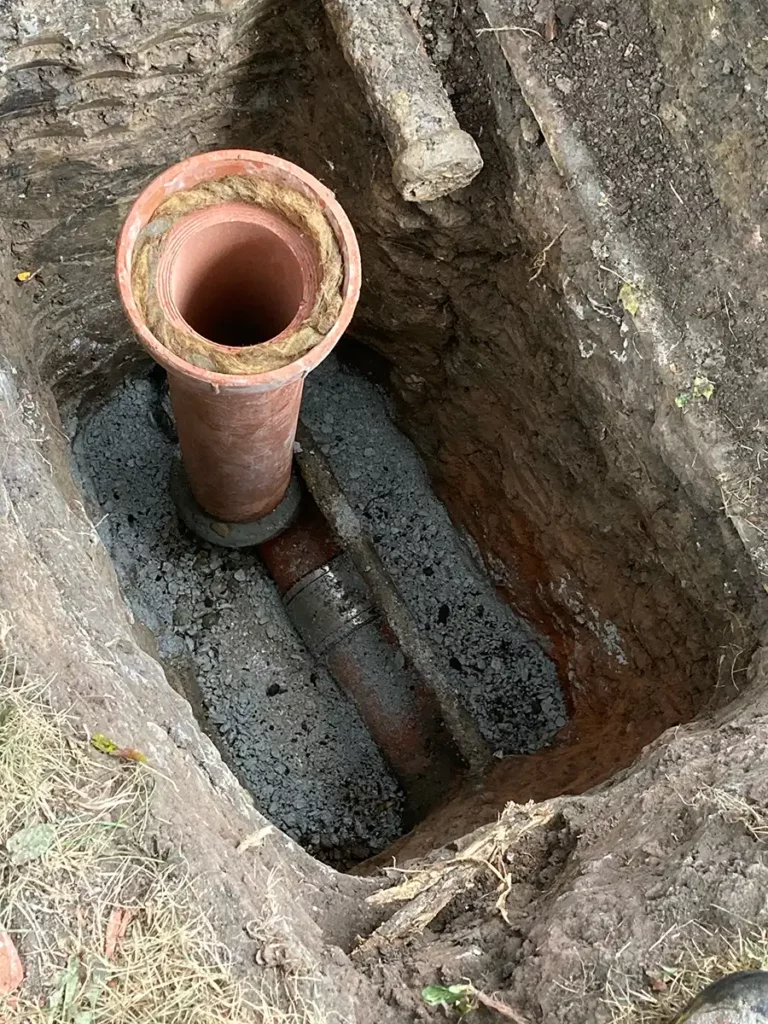
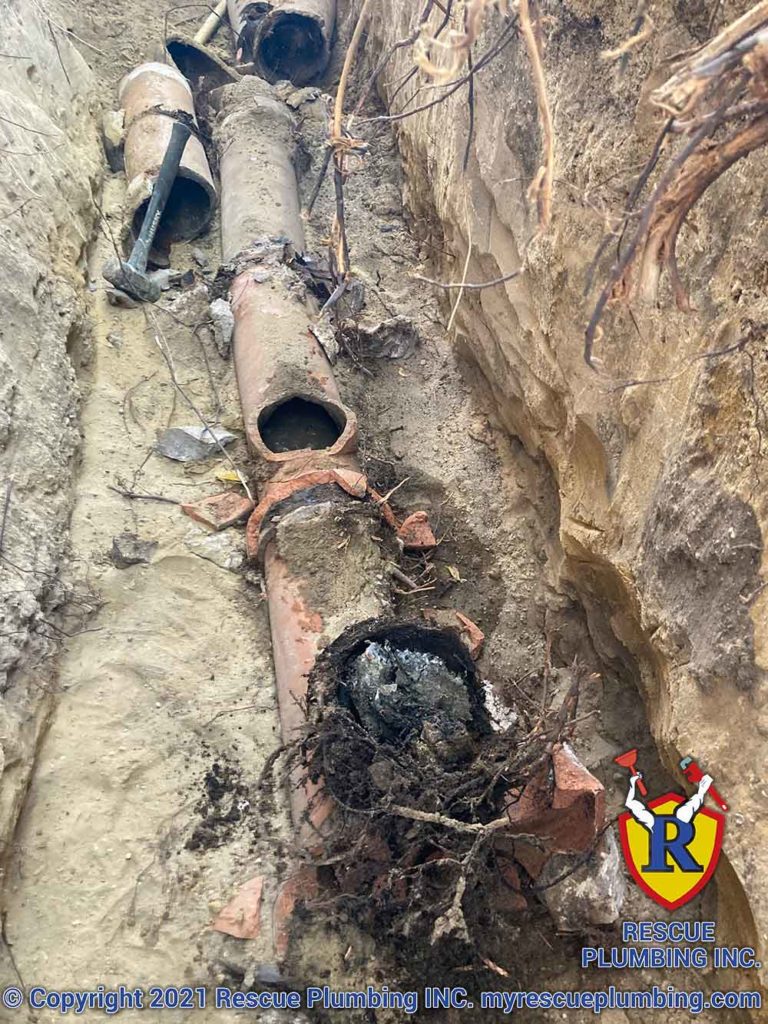
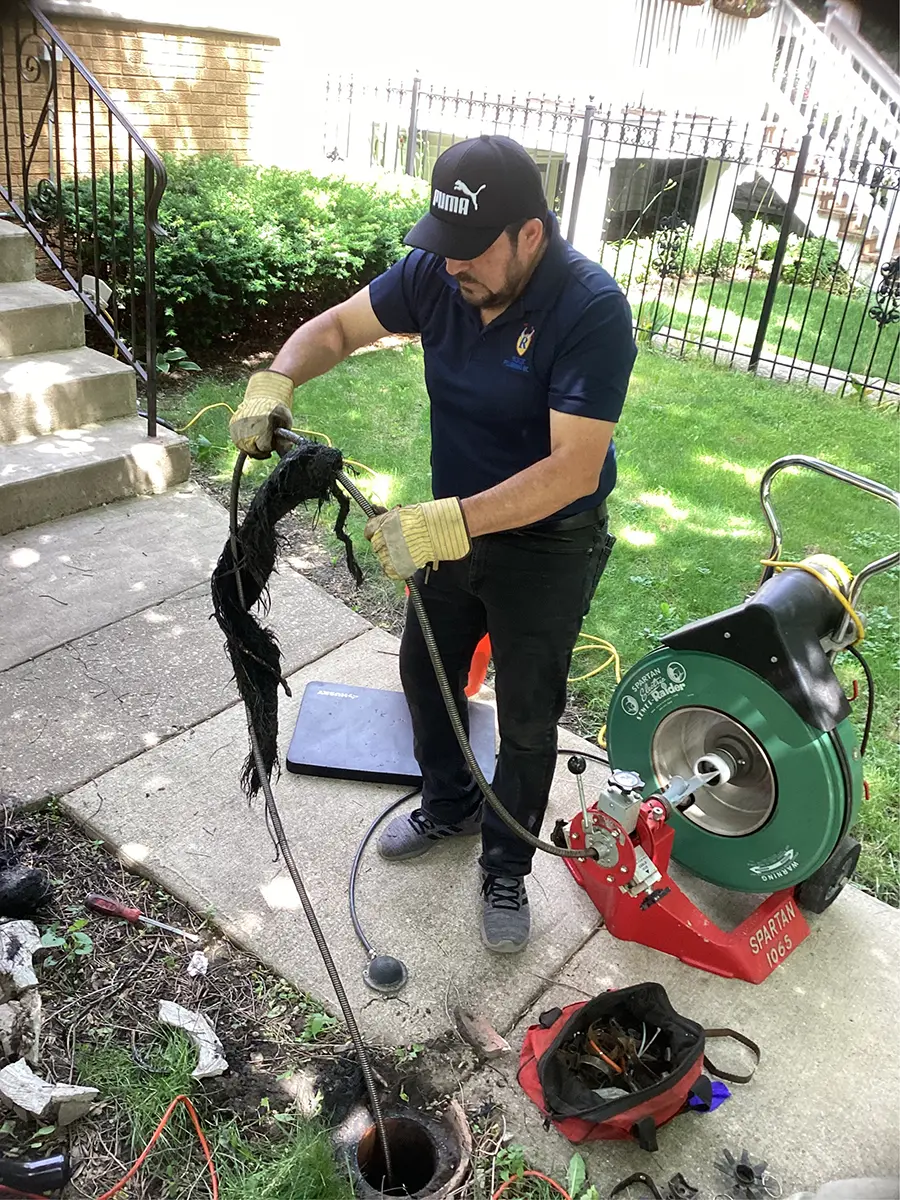
Trees, like all living things, seek out water and nutrients to survive. Unfortunately, your sewer line can become an attractive target for hungry tree roots. Tree roots are naturally drawn to the water and nutrients found in sewage, often infiltrating sewer lines through tiny cracks and deteriorated joints in clay pipes.
Over time, roots expand within the pipes, potentially filling and breaking them. Signs of root damage include recurring clogs, gurgling sounds, slow drains, simultaneous backups in multiple fixtures, and unusually lush, green patches of grass above sewer lines.
Ground Movement
The earth beneath our feet isn’t as stable as you might think, especially in Chicago’s varying climate.
Saturated soil can take on a liquid-like consistency, especially under the weight of heavy vehicle traffic, causing ground movement that is even more pronounced in properties near lakes. This shifting soil can separate or break sewer pipes, potentially creating gaps in pipe connections that lead to further plumbing issues.
Heavy rains can saturate and shift soil, while temperature fluctuations and winter freeze-thaw cycles cause the ground to expand and contract, all of which impact pipe stability. Additionally, erosion from water runoff contributes to soil movement, creating an even higher risk for properties located at the bottom of hills.
Pipe Deterioration
Even the most durable materials eventually show signs of wear and tear.
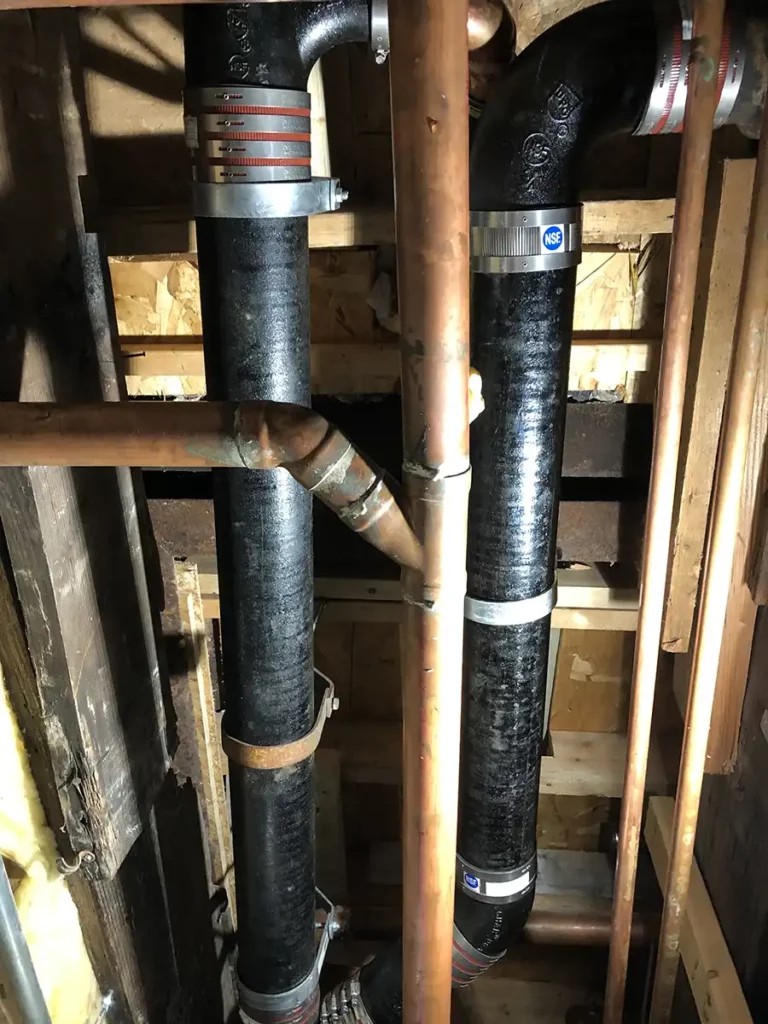
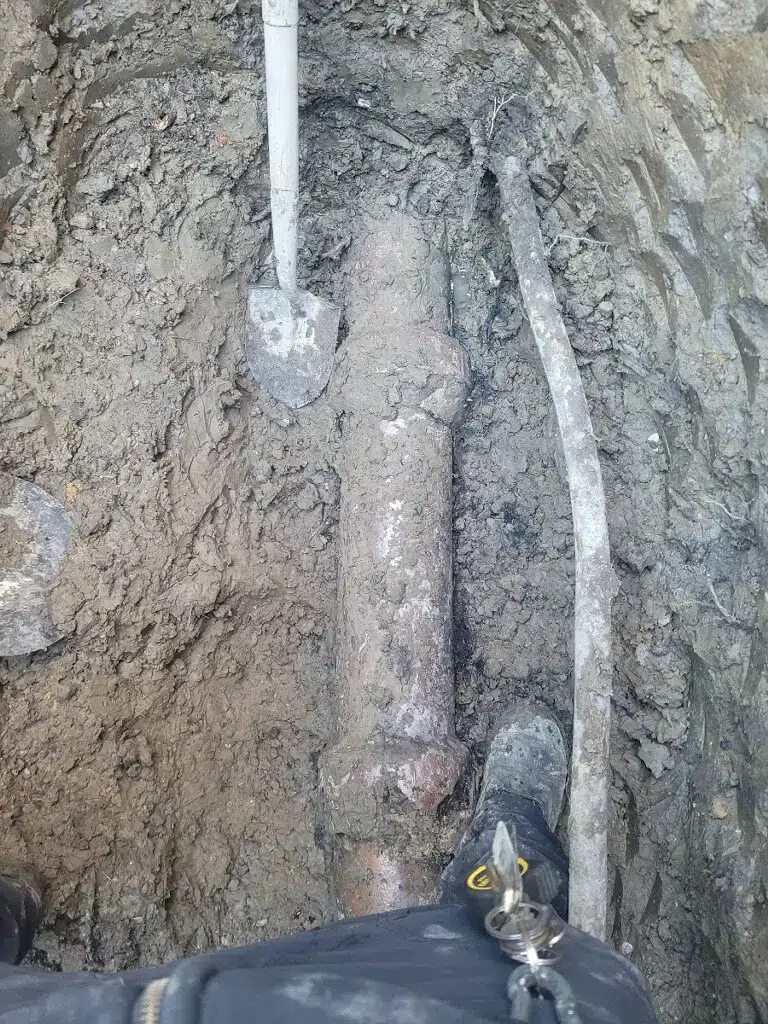
As plumbing systems age, cast iron pipes begin to corrode, and clay pipe joints deteriorate, causing mortar connections to break down. Rust gradually weakens the pipe walls, and constant exposure to underground moisture accelerates this deterioration, leading to potential plumbing issues that require professional attention.
Sewer pipes are made from various materials, each with unique longevity and vulnerabilities. Cast iron pipes, for instance, typically last only 5-10 years underground, while clay pipes are more durable but prone to joint failures.
Metal pipes, often used in older systems, are susceptible to rust due to ground moisture, and many older materials struggle to handle the demands of modern usage.
Additionally, differing soil conditions can significantly impact the lifespan of these pipes, making regular inspections essential for long-term reliability.
Installation Problems
In Chicago’s shifting soil conditions, pipe “bellies” are low spots that disrupt the proper slope, causing waste to collect and lead to frequent backups. These bellies create collection points where solids accumulate, restricting waste flow. Over time, this leads to complete blockages, often stemming from improper initial installation or ground settling.
Offset pipes occur when sections of a pipe become misaligned, creating obstacles that hinder proper waste flow. These misalignments act as catch points for debris, slowing waste movement and leading to frequent backups. If left unaddressed, offsets can allow surrounding soil to enter the pipes, potentially causing sinkholes.
At Rescue Plumbing, we’ve seen and repaired all these issues throughout Chicago and the surrounding suburbs. Understanding the cause of your sewer problem is crucial for implementing a permanent solution. Whether it’s aggressive tree roots or shifting Chicago soil, we have the expertise to address these challenges effectively.
Signs You Need Sewer Line Repair
Recognizing the early warning signs of sewer problems can help you address issues before they become major emergencies. Here’s what to watch for both inside and outside your Chicago property.
Interior Warning Signs
Being alert to changes in your home’s plumbing behavior can save you from costly emergencies.
Plumbing backups often include multiple slow moving drains, sewage from basement drains, toilet bubbling when sinks run, shower backups during laundry, and persistent clogs that resist plunging.
Slow drains are often indicated by bathtubs that take longer to drain, toilets needing multiple flushes, sinks draining sluggishly, gurgling sounds, and water pooling around shower drains.
Odors from plumbing issues often include foul, sewage-like smells in the basement, persistent rotten egg odors near drains, sewer gas smells in bathrooms, and musty scents around floor drains.
Exterior Warning Signs
Your yard can tell you a lot about the health of your sewer system. Keep an eye out for these outdoor indicators.
Sinkholes related to plumbing issues may appear as depressions or sudden holes. They also can appear as soft or spongy patches in the lawn or ground collapses near sewer line locations, typically caused by leaking sewage eroding the surrounding soil.
Yard flooding from plumbing issues can be identified by:
- Persistent wet spots during dry weather,
- Pooling water
- Soggy areas that don’t dry
- Unusually lush grass patches
- Water accumulation in low spots of the yard
Ground settlement issues can manifest as uneven lawn surfaces, foundation cracks, tilting walkways or patios, soil erosion around the foundation, and changes in ground level near sewer lines.
If you notice any of these warning signs, it’s crucial to act quickly. At Rescue Plumbing, we offer 24/7 emergency services because we understand that sewer problems don’t wait for convenient times.
We can perform a comprehensive sewer camera inspection to diagnose the exact cause of your sewer issues – and if you choose us for the repair, we’ll credit that inspection cost toward your repair service.
Don’t wait until a minor issue becomes a major problem. Call us at (773) 799-8848 for a professional assessment of your sewer system. Our licensed plumbers are ready to help protect your Chicago property from potentially devastating sewer damage.
Professional Sewer Services
A professional sewer inspection is key to diagnosing issues accurately and determining the best course of action for repairs. This thorough process helps homeowners understand the condition of their sewer lines and address any problems before they escalate.
Camera Inspection Details
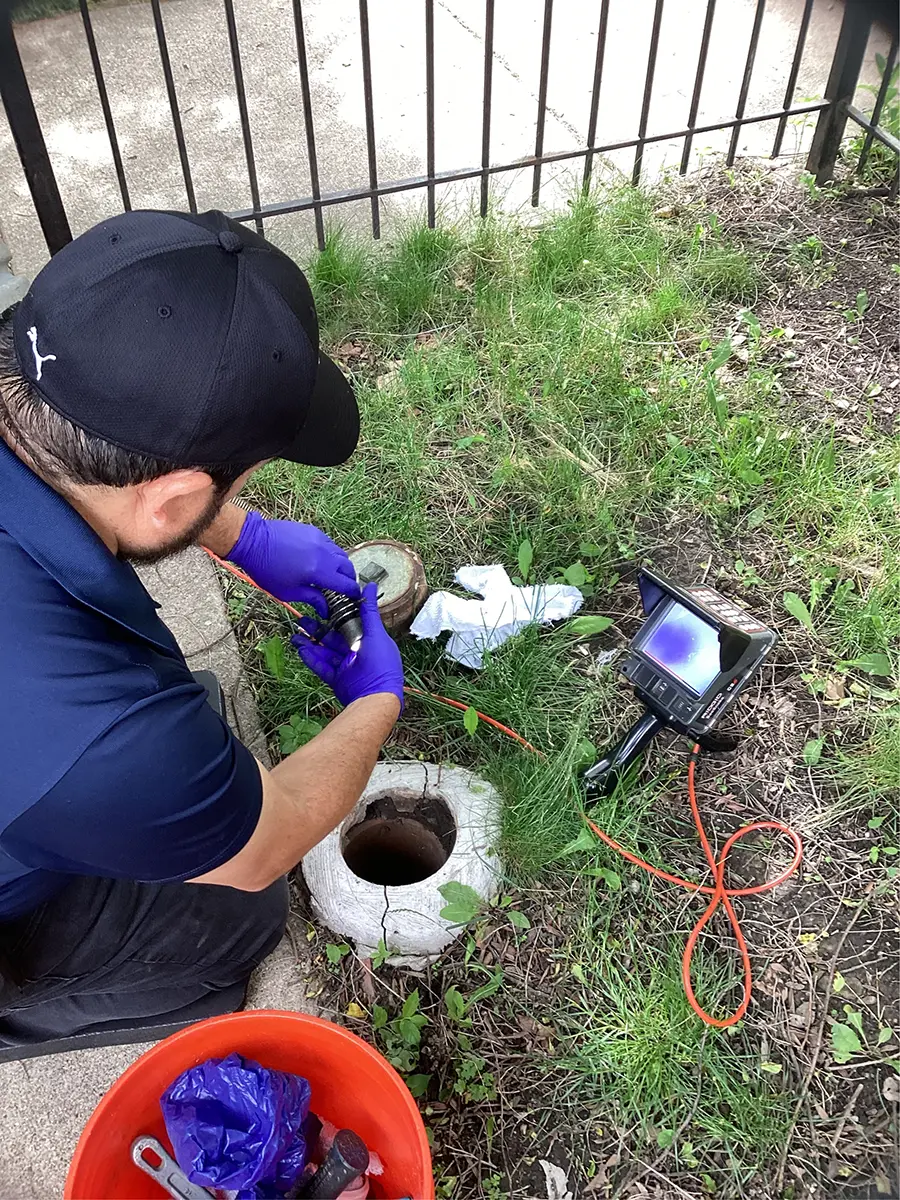
A camera inspection is a non-invasive method for assessing sewer lines by sending a camera through the pipes to identify blockages, cracks, or other issues.
Technicians use high-resolution, waterproof cameras attached to flexible rods or robotic crawlers. This advanced equipment provides a comprehensive view of any underlying issues that may need repair, saving time and preventing unnecessary disruption.
Main Sewer Line Repair Process
At Rescue Plumbing, if you’ve noticed any of the previously mentioned issues, we follow a systematic approach to sewer repair that ensures safety, compliance, and quality results.
Understanding this process helps our Chicago customers know what to expect when they need sewer line repairs, providing clear guidance every step of the way.
Pre-Repair Requirements
Before any digging begins, several crucial steps must be completed to ensure safety and legal compliance.
Permits: Permits are essential for all non-emergency sewer repairs in Chicago. Emergency repairs can start immediately with permit filing required by the next day. These permits protect both property owners and contractors by ensuring the work meets city specifications for both private and public properties.
Utility Marking (JULIE/811): Utility marking (JULIE/811) is a mandatory, free service that requires calling before any excavation to have all underground utility lines marked, preventing dangerous strikes. This typically requires a 48-hour notice to ensure safety for everyone involved.
Excavation Methods
After pulling the necessary permits, the next step is excavation. The location and accessibility of your sewer line determines the best excavation method.
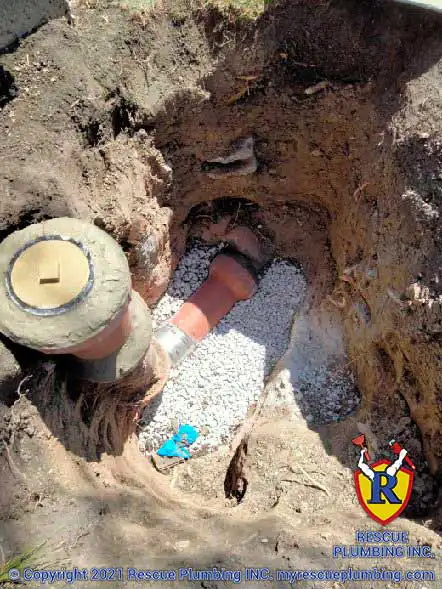
Machine Excavation: Machine excavation, commonly used in suburban areas like Wilmette, Illinois is a fast, cost-effective method for sewer repairs when there is adequate space and equipment access. This approach is ideal for larger areas and is faster than hand digging.
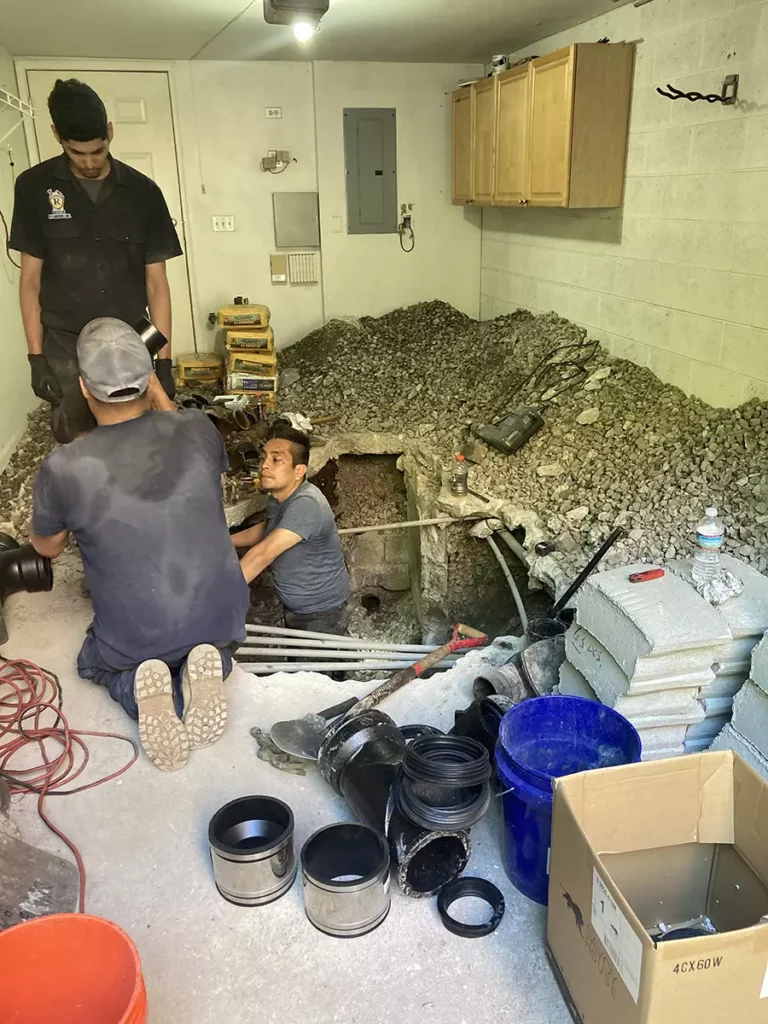
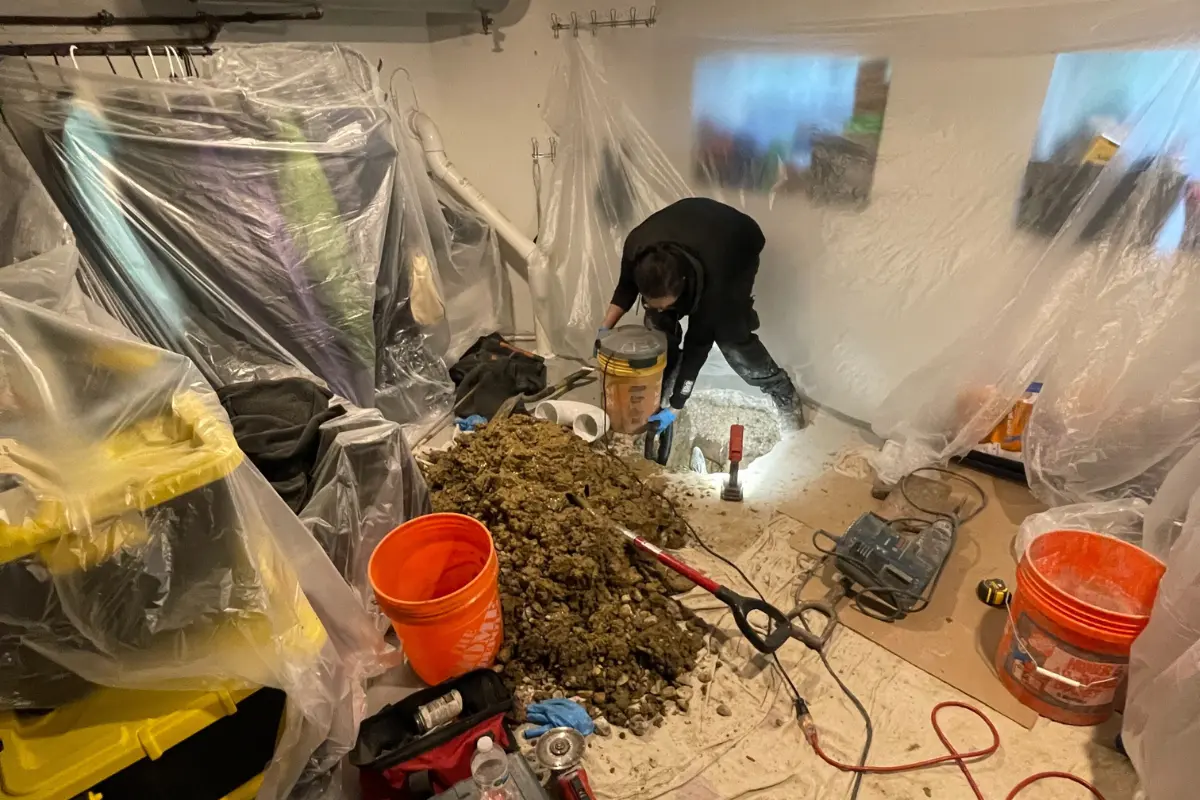
Hand Digging Requirements: Hand digging is often required in tight Chicago spaces where buildings are close together, allowing for precision around multiple utilities and delicate areas. This method may also involve carefully cutting through tree roots.
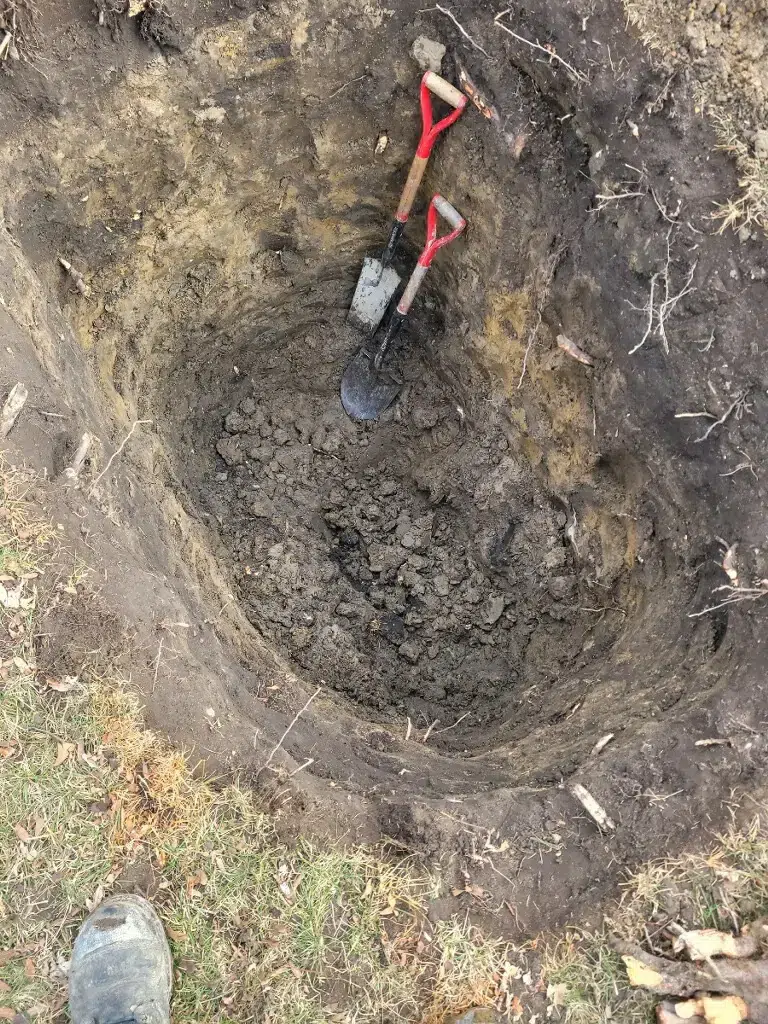
Main Sewer Line Replacement
At Rescue Plumbing, our installation procedures focus on quality, durability, and compliance with local codes to ensure a long-lasting and efficient sewer system. Below are the essential steps for pipe replacement and clean-out installation:
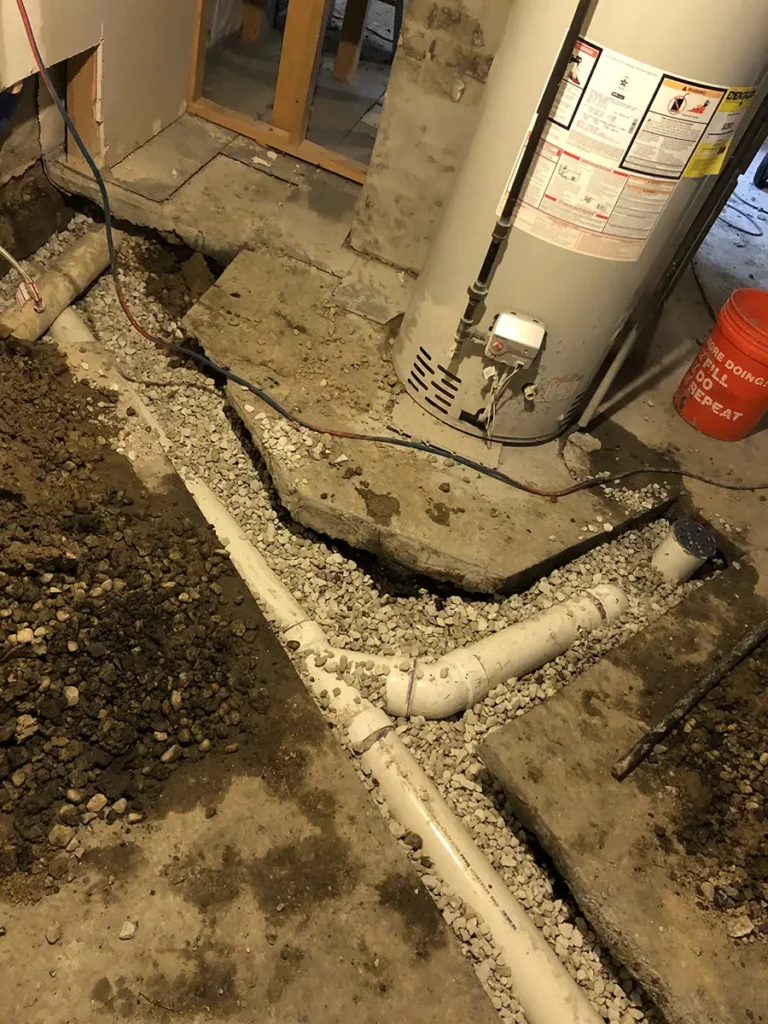
We begin by removing the broken pipes, replacing them with high-quality materials like durable Schedule 40 PVC. The pipe is installed at a precise slope (1/4 inch per foot) with professional-grade connections and sealing.
Then, clean-outs are strategically placed within 5 feet of the building foundation, with spacing every 50 feet for pipes 4 inches or smaller and every 100 feet for larger pipes (up to 10 inches). Residential systems typically use 6-inch pipes, matching clean-out diameters to allow cleaning equipment access. Covers are then installed securely for protection and are positioned for easy access to facilitate future maintenance.
When depth exceeds 5 feet, we install protective shoring equipment to ensure worker safety and prevent cave-ins. Our team at Rescue Plumbing takes pride in performing thorough, code-compliant installations that stand the test of time.
Need a sewer repair estimate? Call Rescue Plumbing at (773) 799-8848 for a professional assessment. Remember, our camera inspection is credited toward your repair when you choose us for the service.
Professional Sewer Services
Proper maintenance of your sewer system can prevent costly repairs and extend the life of your pipes. At Rescue Plumbing, we believe in empowering our Chicago customers with knowledge to protect their plumbing investments.
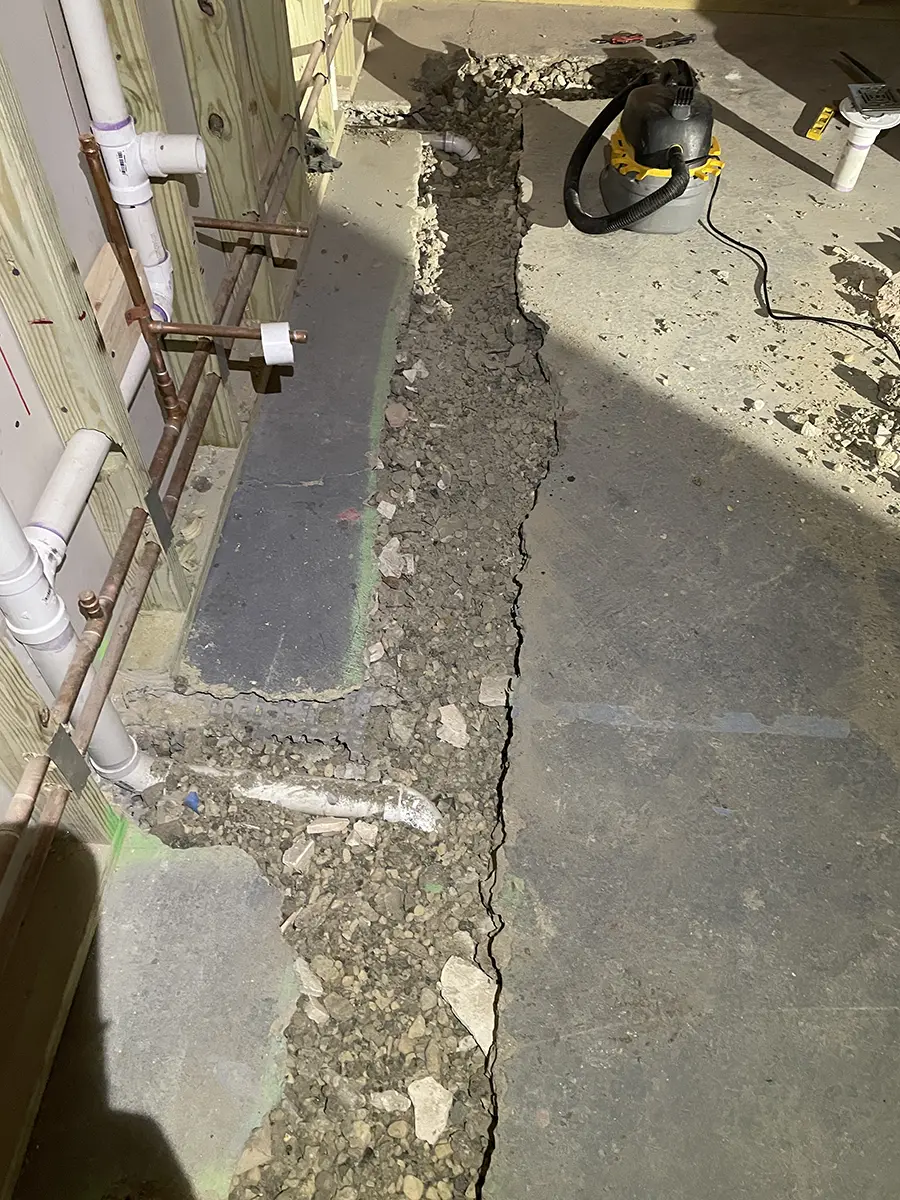
Regular Maintenance
Regular maintenance of sewer systems involves a proactive cleaning schedule and routine inspections. We recommend scheduling professional drain cleaning at the first signs of slowdown.
Annual camera inspections are advised, with more frequent checks for older systems or following heavy rains. Monitoring known problem areas and inspecting sewer lines when purchasing a new property helps ensure long-term system reliability.
Material Choices
When selecting materials for sewer lines, it’s important to consider both the longevity and specific benefits each material offers. PVC and clay pipes are two of the most commonly used options, each with distinct advantages suited to different needs.
PVC:
- Recommended for underground use, specifically Schedule 40 PVC
- Fusion-welded joints prevent separation
- Over 20 years of proven durability
- Resistant to root intrusion
- No corrosion concerns
Clay Pipes:
- Extremely durable pipe material
- Susceptible to root intrusion
- Joint deterioration common
- Can last hundreds of years
Trenchless Sewer Repair Services
Trenchless sewer repair also known as sewer pipe lining offers a modern, minimally invasive solution for fixing damaged sewer lines without extensive excavation. This approach is ideal for homeowners looking to minimize disruption while ensuring a durable, long-lasting repair.
Understanding Sewer Pipe Lining:
- Often called “sewer pipe lining” rather than “trenchless”
- Creates a new pipe within the existing one
- Less invasive than full pipe replacement
- An alternative to traditional excavation
Ideal Conditions for Pipe Lining:
- Pipe must be structurally sound with no severe bellies or offsets
- Not suitable for collapsed or extensively damaged pipes
- Proper pitch is required to maintain flow
- Best for preventing root intrusion
Incorporating regular maintenance, selecting the right materials, and exploring less invasive repair methods can make a significant difference in the longevity and reliability of your sewer system.
At Rescue Plumbing, we’re here to guide our Chicago customers through each step of sewer care, offering expertise in maintenance, durable material choices, and modern repair options like trenchless pipe lining.
Chicago’s Private Drain Program
Chicago stands out among cities for offering the Private Drain Program (PDP), a unique initiative that can save homeowners up to $10,000 on necessary and eligible sewer line repair. Since its inception on January 1, 2002, this program has helped countless Chicago residents manage the cost of sewer repairs in public areas.
Eligibility Requirements:
- Damage must be located in public way (sidewalk, street, parkway)
- Property must be located within Chicago city limits
- Residential buildings that have four or fewer units
- Must be up to date on water bills and city fees
- Property must not be recently renovated
- Must be owner-occupied property
Coverage Areas:
- Areas from property line to city main
- City sidewalks
- Public streets
- Parkways
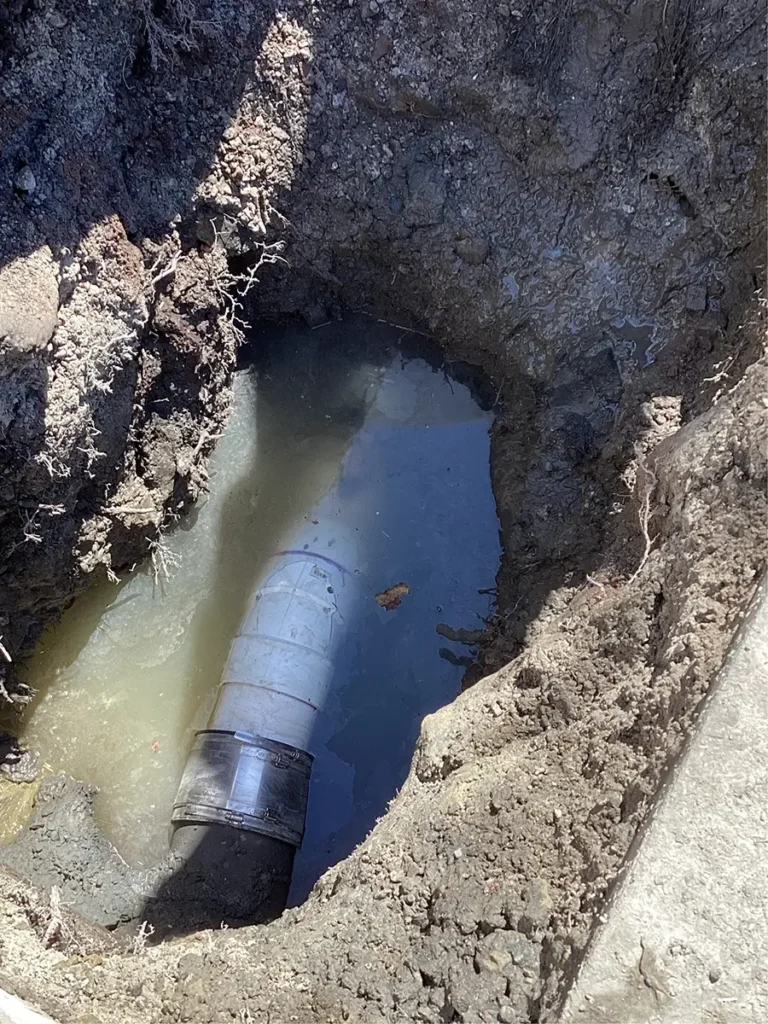
Application Process
The sewer line repair application process involves multiple steps to confirm the condition of the sewer line while ensuring full compliance with city regulations. Each stage is carefully outlined below to guide homeowners through the approval process.
Required Documentation:
1. Initial Assessment:
- Professional sewer camera inspection required
- Video evidence of sewer condition
- Documentation of problem location
- Proof of property ownership
2. Professional Verification:
- Licensed Drain layer must perform initial unclog attempt
- Camera inspection recording for city inspector
- Evidence of break location and depth
- Contractor’s assessment report
PDP Sewer Repair Process:
1. Initial Steps:
- Schedule city inspector visit
- Contact licensed sewer contractor for inspection
- Obtain necessary permits
2. Inspection Process:
- Plumber demonstrates issue to city inspector
- Inspector marks repair location
- USB drive recording provided to city
- Inspector approves or disapproves repair
3. Approval and Repair:
- City review of submitted documentation
- Scheduling of approved repairs
- Coordination with licensed contractor
- Final inspection and sign-off
At Rescue Plumbing, we’re well-versed in the Private Drain Program process and can help guide you through each step. Our team works efficiently to document your sewer issues and coordinate with city inspectors to expedite your repair approval.
Remember: the sooner you address sewer problems, the better your chances of qualifying for the program. Don’t wait until emergency conditions develop – contact us at (773) 799-8848 for a professional assessment of your sewer line and PDP eligibility.
Sewer Plumbing Services
When it comes to sewer emergencies, quick response time can mean the difference between a manageable repair and catastrophic damage to your property.
At Rescue Plumbing, we understand that sewer problems don’t wait for convenient business hours, which is why we will provide a free estimate throughout Chicago and surrounding suburbs.
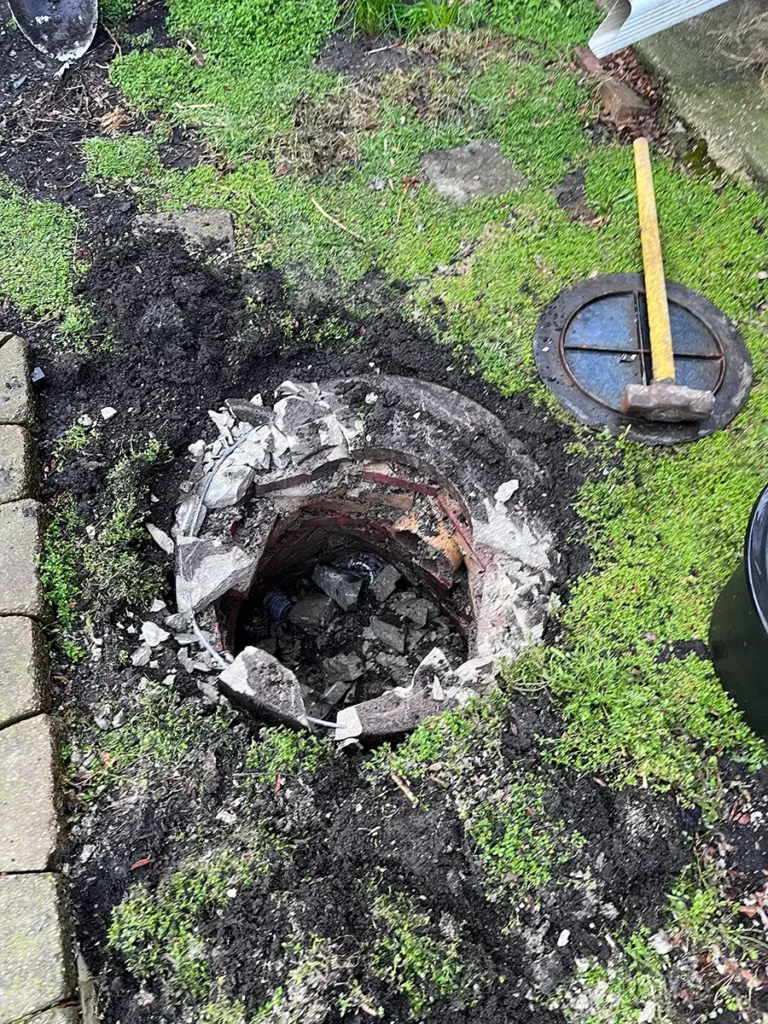
If you’re experiencing plumbing problems, here’s what you need to know:
- We can begin emergency repairs immediately, even before permits are pulled (we’ll handle the paperwork the next business day)
- We have real, experienced professionals ready to respond at any hour
- Our team is prepared for challenging conditions, including night work and severe weather
- We prioritize emergency calls to minimize damage to your property
With our expertise in prevention, maintenance, and innovative repair options, we’re committed to serving Chicago customers and keeping their plumbing systems in top shape.
The sooner you address sewer problems, the less expensive and disruptive the repairs will be. Trust Chicago’s sewer repair experts at Rescue Plumbing to keep your system flowing smoothly. Call Rescue Plumbing now at (773) 799-8848.
Our licensed plumbers are standing by to rescue your sewer line and protect your property from damage.