Outdoor Plumbing Systems: A Homeowner’s Guide
Safeguarding your property from water damage begins with preparing your outdoor plumbing system for whatever the seasons bring. Taking these crucial steps can be the key to keeping your property in top shape and preventing costly repairs down the road.
From sprinkler systems to sump pumps, outdoor plumbing systems play a vital role in maintaining your property’s upkeep. Yet many homeowners only think about these systems when something goes wrong.
At Rescue Plumbing, we provide expert guidance to help you understand, maintain, and protect your outdoor plumbing investments.
Key Takeaways
- Understanding your system’s components helps you make informed maintenance decisions
- Regular maintenance and proper winterization are essential for preventing costly water damage
- Chicago’s unique climate and building codes require specific considerations for outdoor plumbing
- Professional installation and annual inspections can prevent most common plumbing emergencies
- Outdoor plumbing system include sprinklers, water spigots, sump pumps, clean outs, and catch basins
Understanding Your Outdoor Plumbing System
For Chicago homeowners, outdoor plumbing systems are more than just pipes and fixtures – they’re essential infrastructure that protects your property from water damage while ensuring proper water distribution.
Whether you’re a new homeowner or looking to upgrade your existing systems, understanding these components is crucial for maintaining your property’s value and preventing costly repairs.
Let’s break down what these systems include, why they’re vital for your property, and what special considerations Chicago residents need to keep in mind.
What Are Outdoor Plumbing Systems?
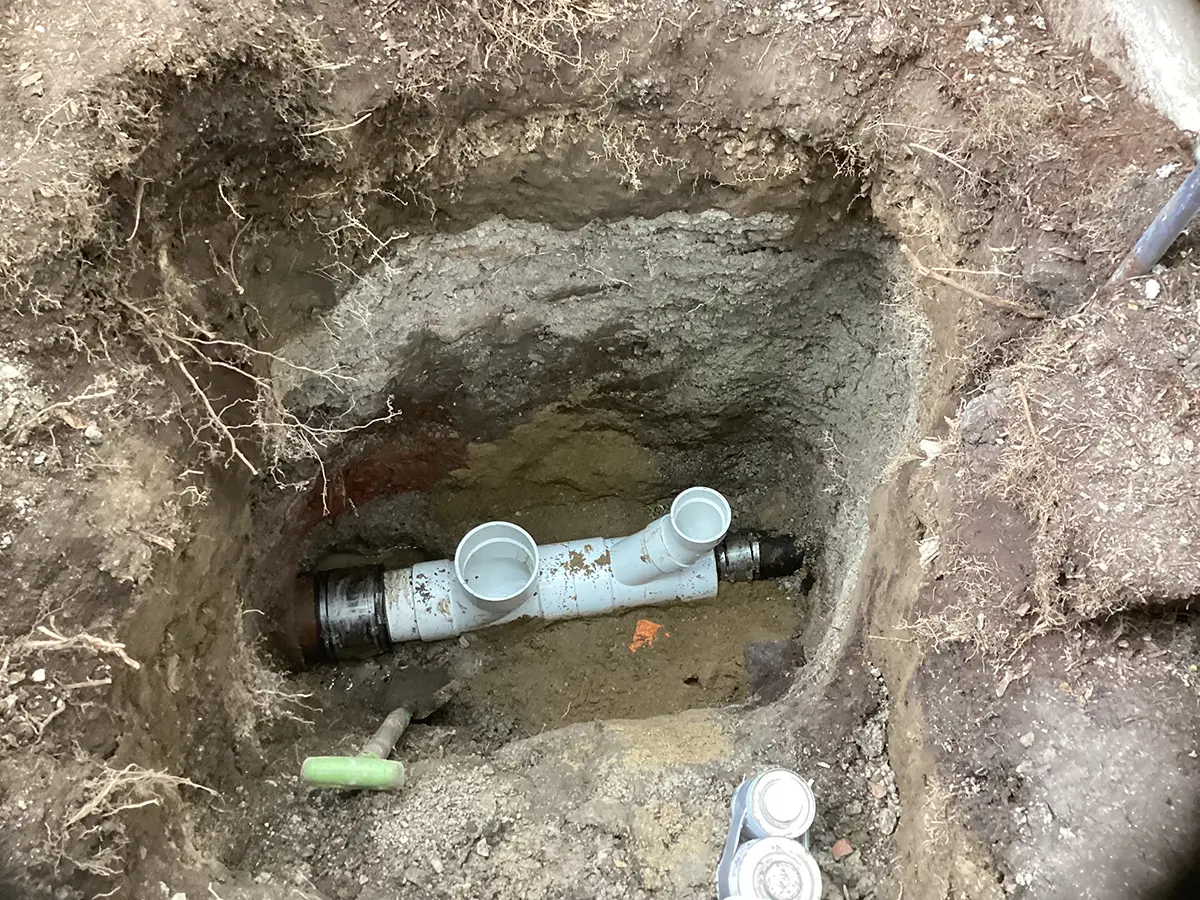
An outdoor plumbing system is the network of pipes, valves, and fixtures that manage water flow around your property. These systems serve two primary purposes: bringing water to where it’s needed, like lawn sprinklers and outdoor faucets, and routing water away from your property through sump pumps and drainage systems.
The main components include:
- Water spigots (sillcocks)
- Cleanouts and catch basins
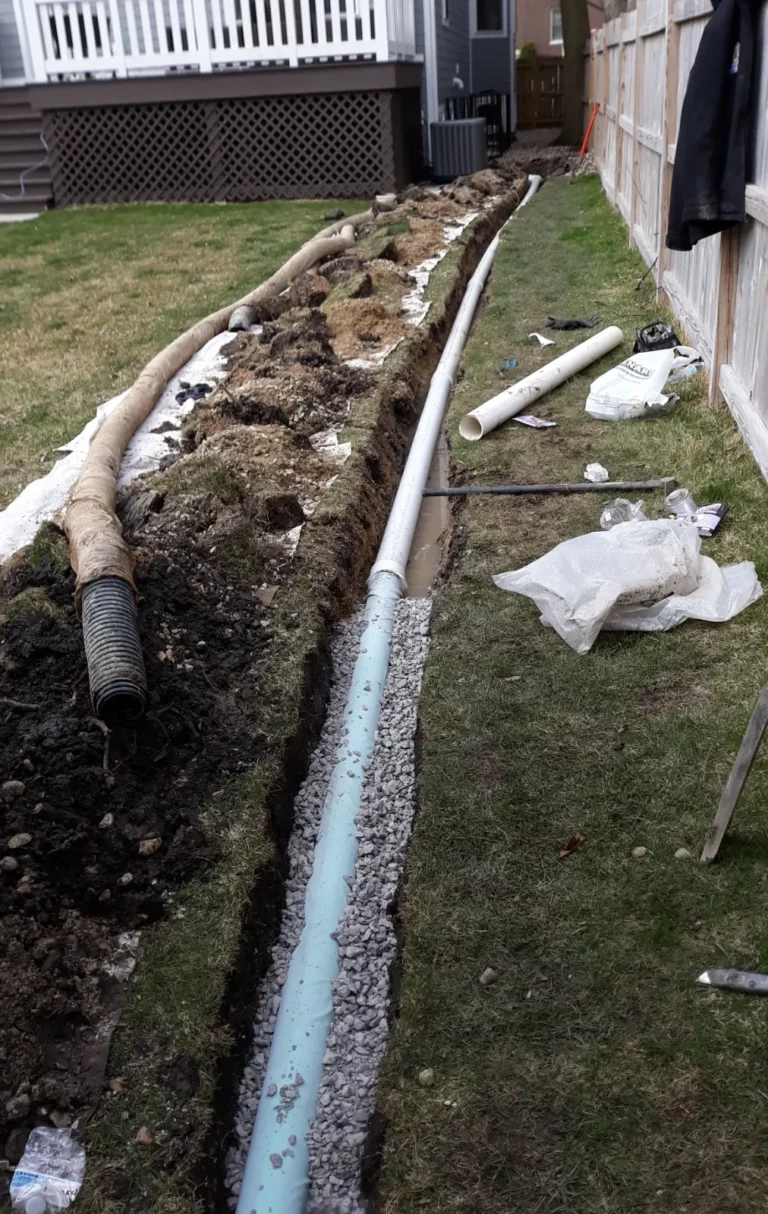
- Sump pump drainage systems
- Drainage and flood control systems
- Sprinkler systems with backflow preventers (RPZ)
Why They Matter for Your Property
Your outdoor plumbing systems are your property’s first line of defense against water damage. Properly maintained systems help:
- Protect against frozen and burst pipes
- Maintain proper lawn and garden irrigation
- Comply with local building codes and regulations
- Ensure efficient water drainage during heavy rains
- Prevent foundation damage and basement flooding
Without these systems working correctly, you risk expensive water damage, foundation issues, and potential code violations.
Sprinkler Systems and Backflow Prevention
One of the most critical components of your outdoor plumbing is your sprinkler system and its required backflow prevention device. While sprinkler systems help maintain your landscaping, proper backflow prevention protects your drinking water from potential contamination.
Let’s explore the essential requirements and maintenance procedures that keep these systems operating safely and efficiently.
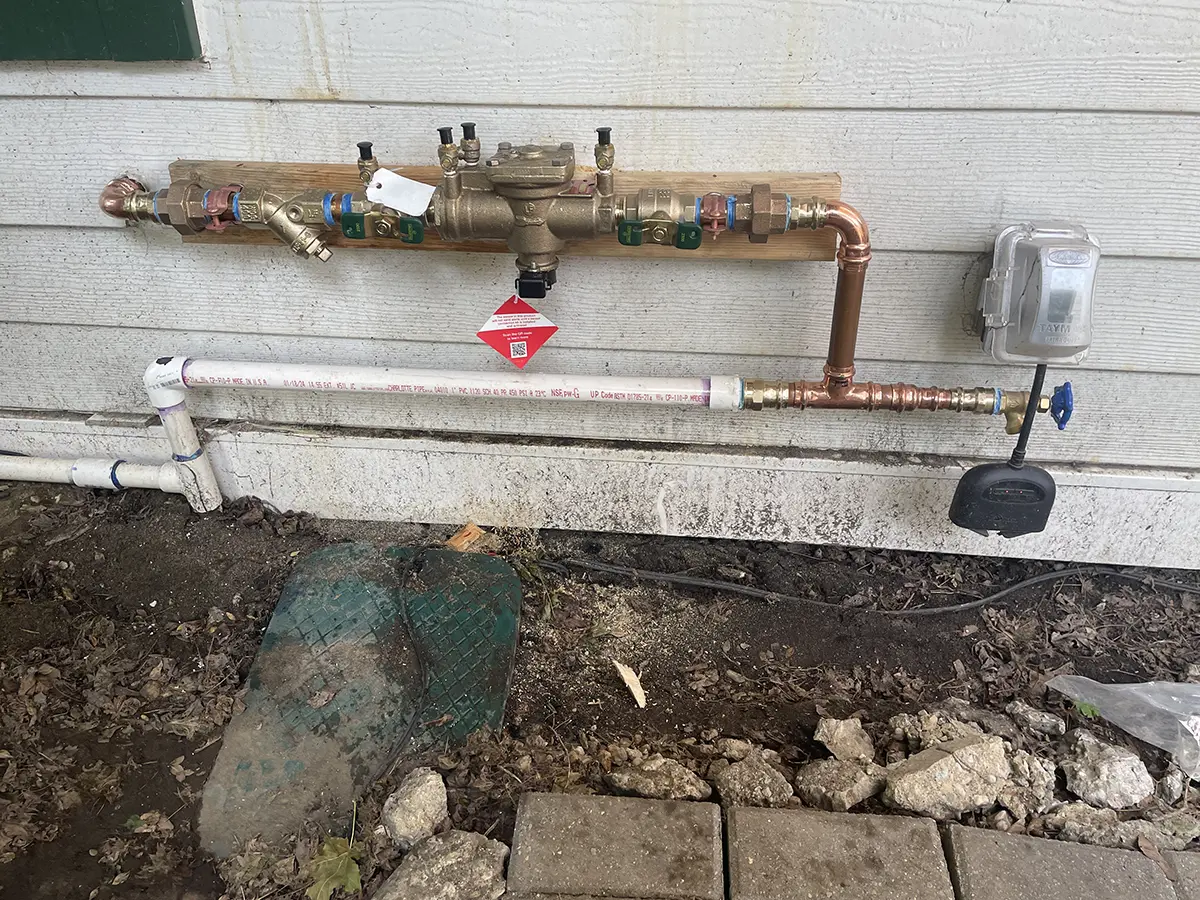
Sprinkler Systems
Sprinkler systems are a valuable part of your property’s outdoor maintenance. They keep your lawn hydrated, and your landscape looking its best. Each type of sprinkler system has specific maintenance needs to ensure consistent, efficient performance.
However, when these systems aren’t properly maintained, there’s a risk of contaminated water flowing backward, or “backflowing,” into your home’s clean water supply. This is where backflow prevention becomes essential.
With proper upkeep and backflow prevention, these systems will keep your landscape healthy and your drinking water safe.
RPZ Requirements
A reduced pressure zone (RPZ) device is a critical component for backflow prevention and is required by Illinois law for all sprinkler systems. This device protects your clean water by blocking potentially contaminated water from re-entering your water supply.
According to Illinois Plumbing Code 890.1140 subsection (d), “any lawn sprinkler system connected to a potable water supply shall be equipped with an RPZ.”
Installing an RPZ isn’t just about meeting state requirements; it’s a crucial safety measure that:
- Prevents backflow from fertilizers and pesticides
- Protects water quality for you and your neighbors
- Ensures your system complies with health regulations
- Blocks contaminants from entering your drinking water
Winterization Process
Winterization is an important step to protect your sprinkler system from freezing temperatures. By properly shutting down your system each winter, you can prevent damage to pipes and avoid costly repairs. Here’s how to winterize your sprinkler system:
- Shut off the water supply at the RPZ
- Drain all water from the system
- Use compressed air to blow out any remaining water
- Insulate above-ground components to prevent freezing
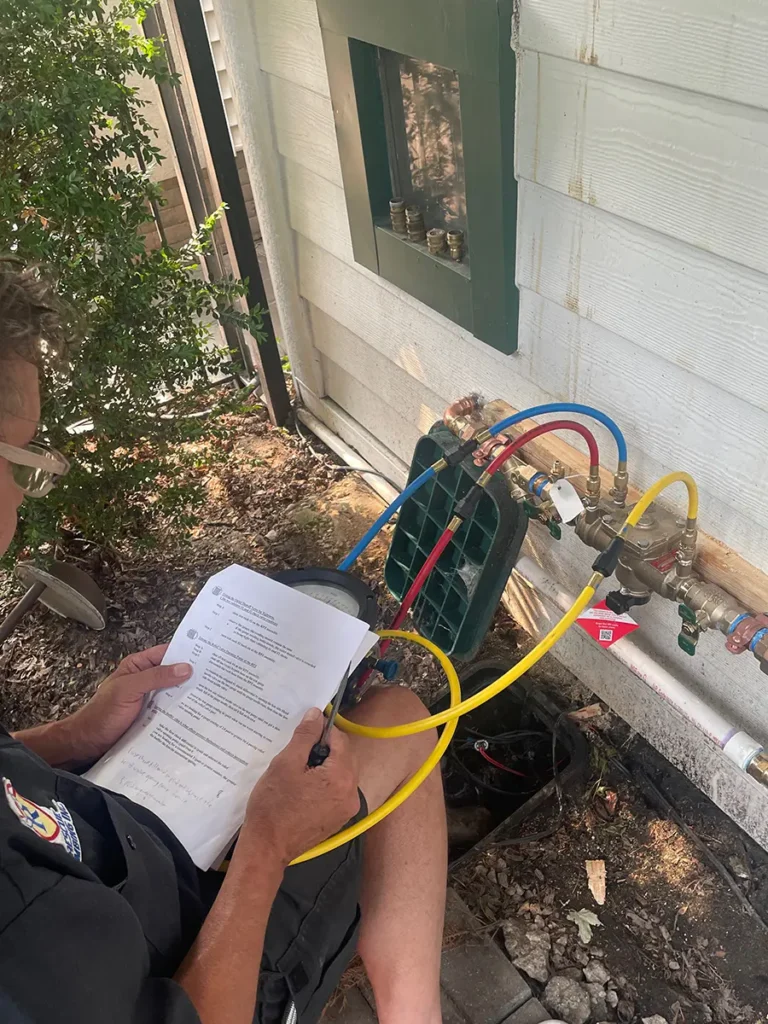
Complete these steps before the first freeze to safeguard your sprinkler system and avoid pipe bursts.
Don’t risk your sprinkler system’s integrity or your family’s safety. Need help with RPZ certification or system maintenance? Contact Rescue Plumbing at (773) 799-8848 for professional assistance. Our certified Cross-Connection Control Device Inspectors are ready to ensure your system meets all safety requirements and continues functioning properly all year-round.
Water Spigots and Freeze Protection
In Chicago’s harsh climate, protecting outdoor water spigots (sillcocks) is essential. With temperatures often dropping to -20°F or lower, selecting and safeguarding your outdoor faucets isn’t just convenient; it helps prevent costly water damage to your home.
Types of Outdoor Faucets
Choosing the right outdoor faucet for your property can make a big difference in winter protection.
Anti-Frost Sillcocks
Anti-frost sillcocks are designed for cold climates like Chicago’s. They feature:
- An extended stem that places the shut-off valve inside your home’s heated area
- Robust construction for improved freeze resistance
- Automatic draining when turned off
While effective, these sillcocks may still need additional protection during extreme cold snaps.
Standard Spigots
Standard spigots are less ideal for cold climates, as they:
- Have shorter stems, leaving water in exposed areas
- Require more winterization efforts
- Lack built-in freeze protection
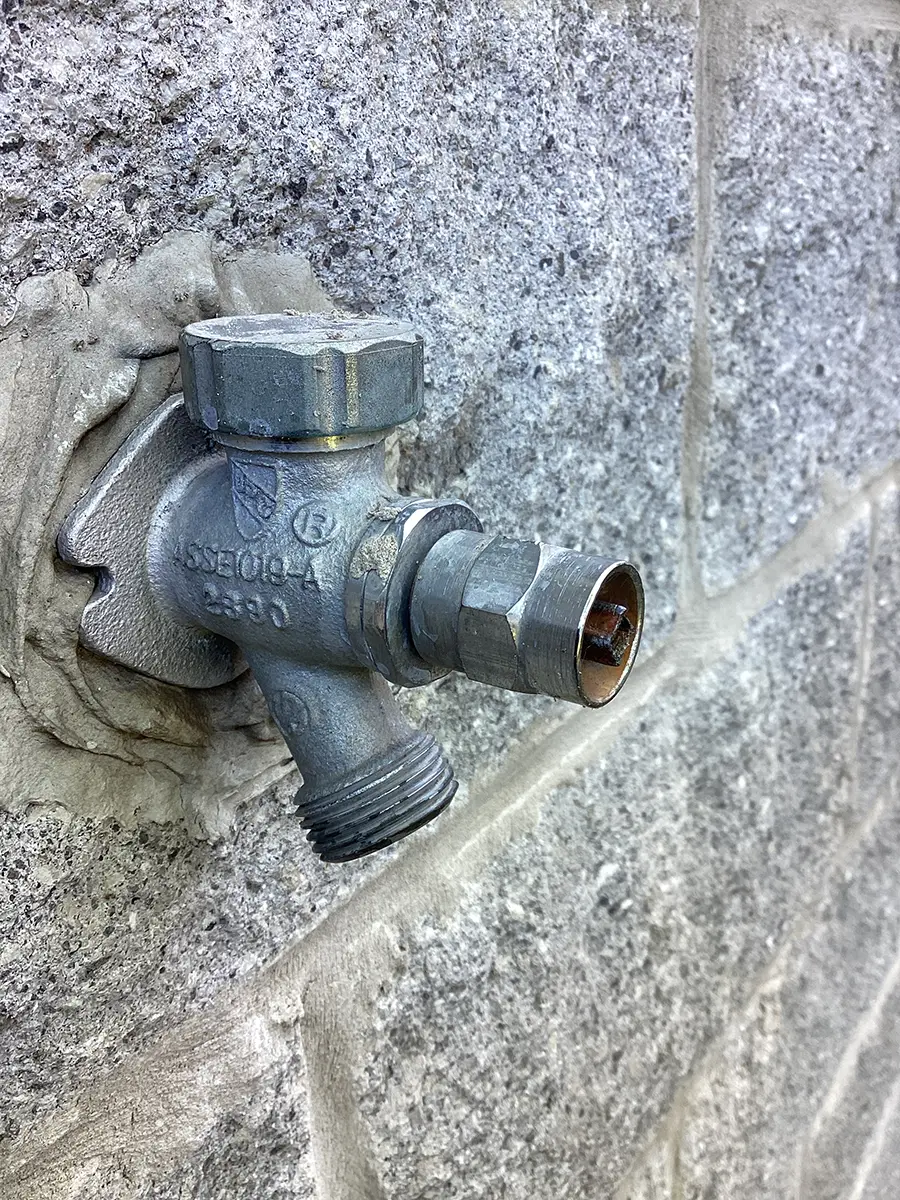
Winterization Systems
For maximum freeze protection, a winterization system with these components:
- Interior Shut-off Valve: Located in a heated area for easy seasonal shutdown.
- Drain-down Faucet: Positioned at the lowest point between the shut-off and spigot, allowing full drainage of the line.
- Winterization Process:
- Open the outdoor spigot
- Shut off the interior valve
- Open the drain-down faucet and let water drain completely
This system provides reliable protection from an outdoor leak. Properly winterize before freezing temperatures arrive to avoid damage.
If your spigots aren’t fully winter-ready, contact Rescue Plumbing at (773) 799-8848. Our team can assess your setup and recommend the best protection for your property.
Pump Drainage Systems
Protecting your property from water damage requires understanding your pump drainage systems. Whether it’s a sump pump to prevent groundwater flooding or an ejector pump handling waste water from basement plumbing, these systems are essential to keeping your home dry and healthy.
Types of Pumps
Pump drainage systems come in various forms, each designed to address specific needs for keeping your property dry.
Sump pumps manage groundwater and prevent basement flooding, while ejector pumps handle waste water from below-grade plumbing fixtures. Both types play crucial roles in ensuring proper drainage and protecting your home from water damage.
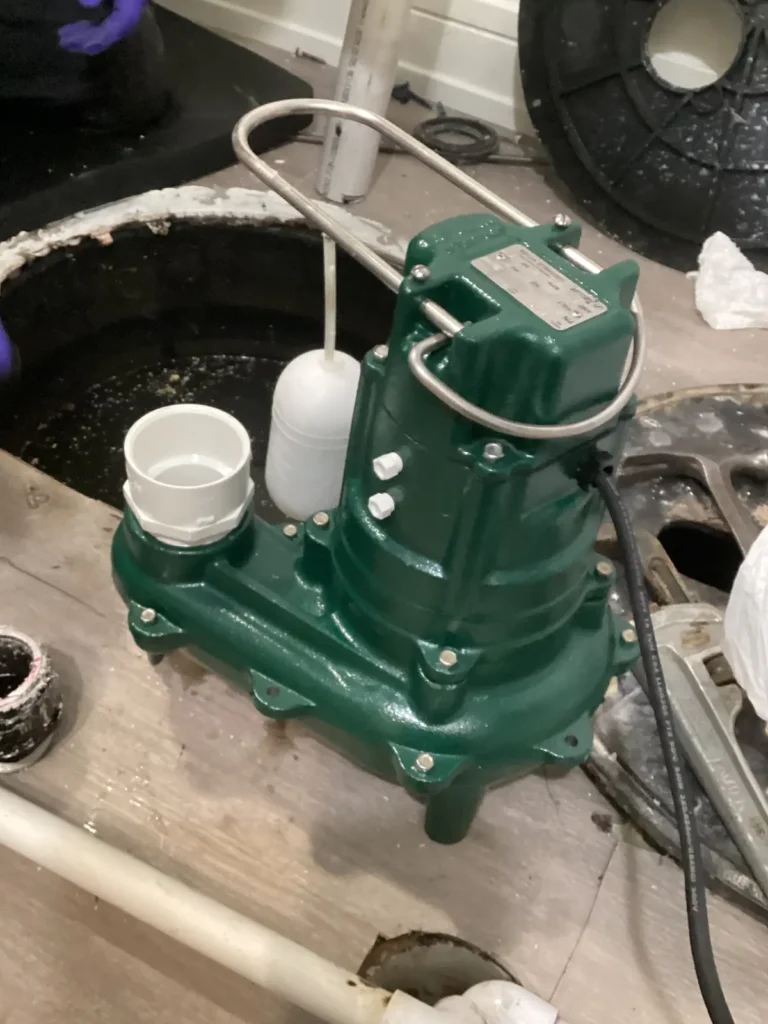
Sump Pumps
- Located in the lowest point of basements/crawl spaces
- Essential for Chicago’s wet seasons and snow melts
- Designed for groundwater and flooding prevention
- Automatically activates when water levels rise
Ejector Pumps
- Handles waste water from below-grade plumbing fixtures
- Required for basement bathrooms and laundry rooms
- Must meet specific plumbing code requirements
- Contains specialized grinding mechanisms
Purpose and Function
These pump systems play a critical role in protecting your home from water damage and maintaining proper sewer lines. By removing excess water from basements, they prevent flooding that can compromise your foundation and create costly repairs.
Ejector pumps ensure effective drainage from the septic tank, while sump pumps work to keep your foundation dry, particularly during heavy rains. Together, these systems maintain a healthy environment by preventing water damage and promoting proper drainage.
Clean Outs and Catch Basins
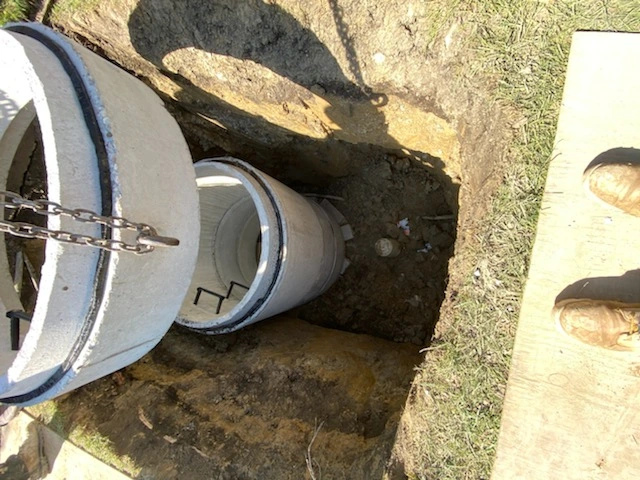
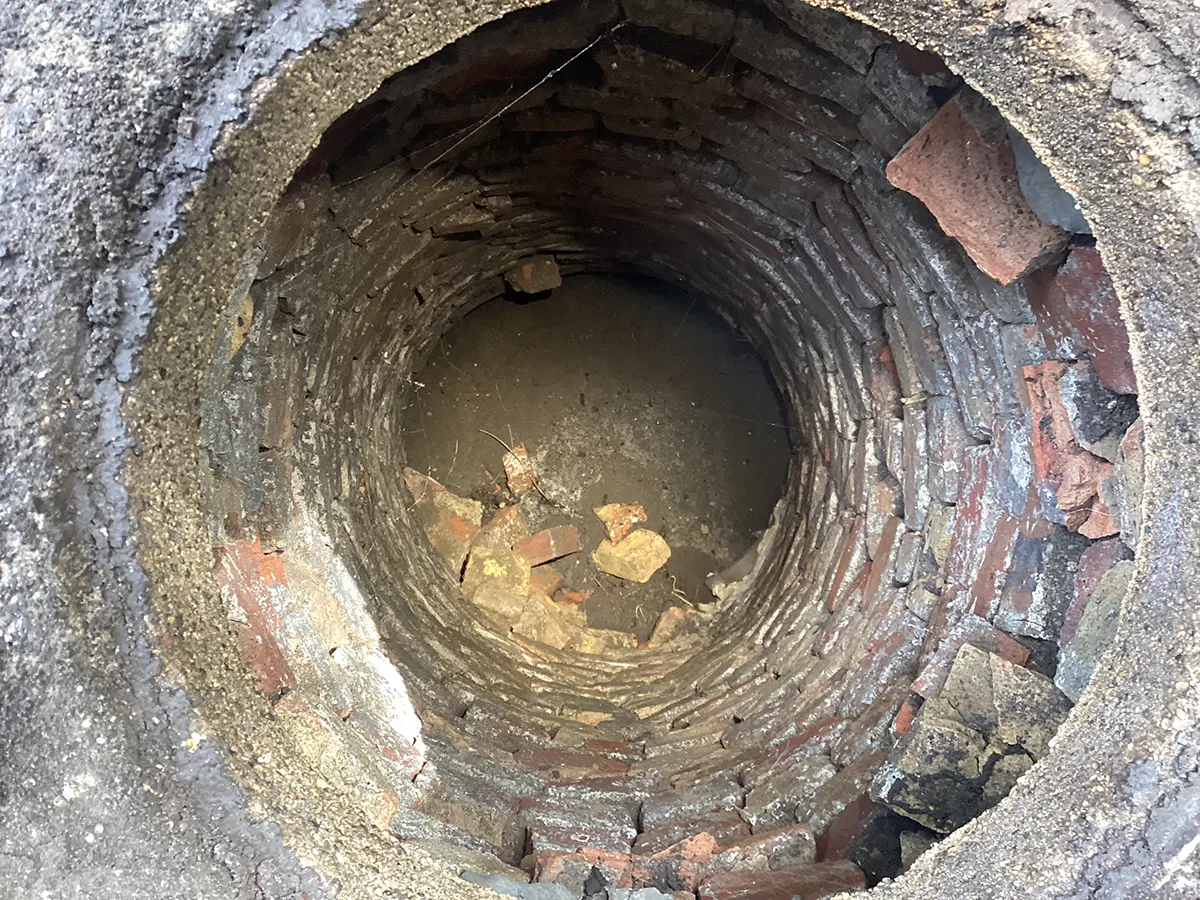
Effective drainage relies on accessible and properly maintained components like clean outs and catch basins. These elements provide vital access points for routine maintenance to the sewer line, helping to prevent a blocked pipe and ensure smooth water flow throughout your property.
Code Requirements
According to Illinois Plumbing Code 890.420.4, clean outs must be strategically placed to meet essential safety and functionality standards:
- Required every 50 feet for pipes under 4 inches in diameter and every 100 feet for pipes 4 to 10 inches
- Full-size access must be maintained for efficient cleaning and service
- Positioned within 5 feet of the building foundation
Following these guidelines ensures your clean outs are easy to reach and fully compliant with safety regulations.
Installation Guidelines
Proper installation is essential for long-term functionality. Clean outs and catch basins should be installed in locations that allow easy access for maintenance, with a proper slope to facilitate drainage.
Weather-resistant materials and durable covers also protect these components, ensuring they remain functional and meet code requirements.
Clean Check Valves
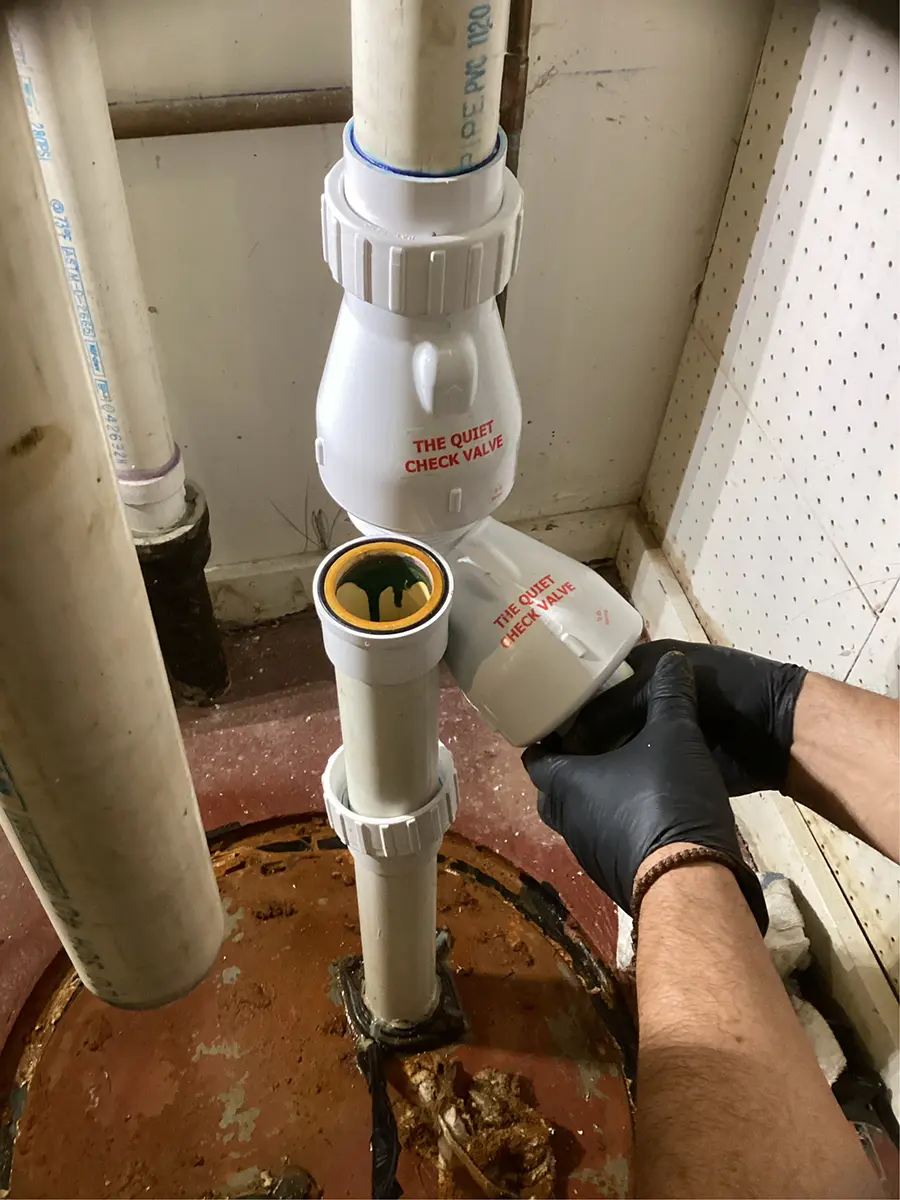
Clean check valves play a vital role in preventing backflow. Regular maintenance, including annual inspections and cleaning, keeps the valve’s flapper in optimal condition, ensuring it seals properly and prevents any backflow issues. Documenting these inspections can also help maintain warranty coverage.
Applications and Care
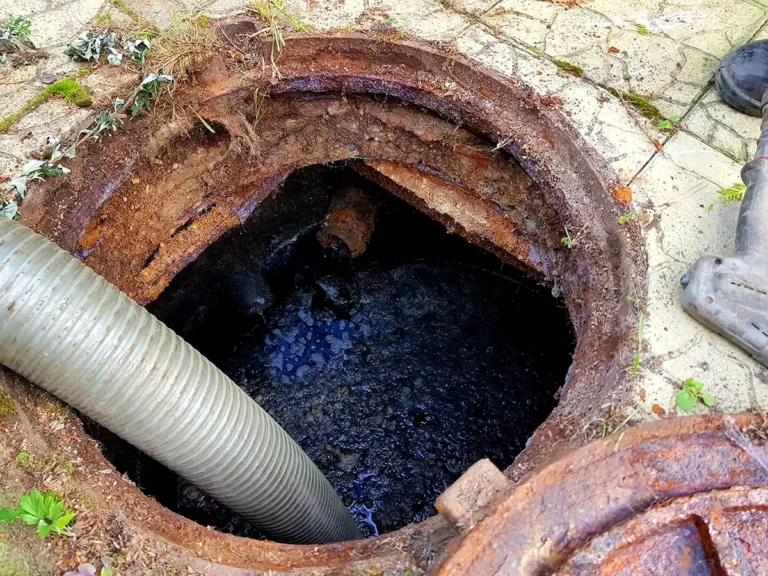
Catch basins are versatile elements in your drainage system, providing critical water collection, filtration, and flood control. They trap debris to prevent clogs and improve overall system efficiency.
Monthly Maintenance Tasks:
- Remove any visible blockages if safe to do so
- Inspect the inlet and outlet pipes
- Clear debris from surface grates
Annual Service:
A professional cleaning includes a structural inspection, sediment removal, and any necessary repairs to ensure the catch basin operates effectively.
Maintenance Tips
Routine maintenance is crucial for keeping your pump drainage systems and catch basins running smoothly. Following the steps below can help ensure consistent protection and efficient drainage.
Monthly Checks:
- Listen for unusual noises that may indicate mechanical
- Verify that the float switch functions properly
- Test pump operation to confirm functionality
- Clear any debris from pump basins
Seasonal Care:
- Inspect discharge pipes and catch basins, especially for winter freezing
- Clean out all components to prevent blockages
- Ensure any backup systems are functioning
By keeping up with routine checks, you can prevent unexpected flooding issues and costly repairs. For expert inspection and maintenance of your drainage systems, contact Rescue Plumbing at (773) 799-8848. Our experienced team is equipped to handle the unique requirements of your property, ensuring reliable year-round protection.
Professional Outdoor Plumbing Tips
Maintaining your outdoor plumbing system throughout the year is essential for preventing costly repairs and ensuring reliable performance in every season. While some tasks can be handled by homeowners, many require professional expertise to keep systems running smoothly and safely.
Below is a seasonal checklist of essential maintenance tasks to guide you through each part of the year.
Spring
As temperatures rise, activate and assess systems for any winter damage:
- Inspect outdoor fixtures for freeze damage
- Activate and test sprinkler systems
- Check clean outs for any issues
- Clear debris from catch basins
- Test sump pump operation
- Schedule RPZ certification
Summer
In peak usage season, focus on keeping systems efficient:
- Clean pump basin and test float switches
- Monitor sprinkler coverage and timing
- Inspect drainage during rainstorms
- Test backup sump pump systems
- Clear catch basin grates monthly
- Check spigots for leaks
Fall
Prepare systems before winter to avoid freeze damage:
- Schedule professional sprinkler winterization
- Verify sump pump backup power
- Clean and inspect catch basins
- Document system shutdowns
- Clear drainage pathways
- Test heating
Winter
Take preventive measures to protect from freezing temperatures:
- Winterize spigots
- Disconnect and drain hoses
- Monitor discharge pipes for ice
- Keep drainage areas free of snow
- Inspect exposed pipes during extreme cold
DIY vs. Professional Service
While homeowners can handle tasks like debris clearing and system checks, certain maintenance is best left to professionals to ensure safety and compliance:
- DIY Tasks: Visual inspections, clearing debris, testing system operation, basic cleaning, and monitoring
- Professional Services: Annual RPZ certification, sprinkler winterization, catch basin repair, clean check valve replacement, major repairs, and code compliance
When to call a professional plumber: For annual inspections, emergency repairs, system upgrades, code questions, and complex tasks, trust the experts. Call Rescue Plumbing at (773) 799-8848 to keep your system in top shape year-round.
Emergency Plumbing Services
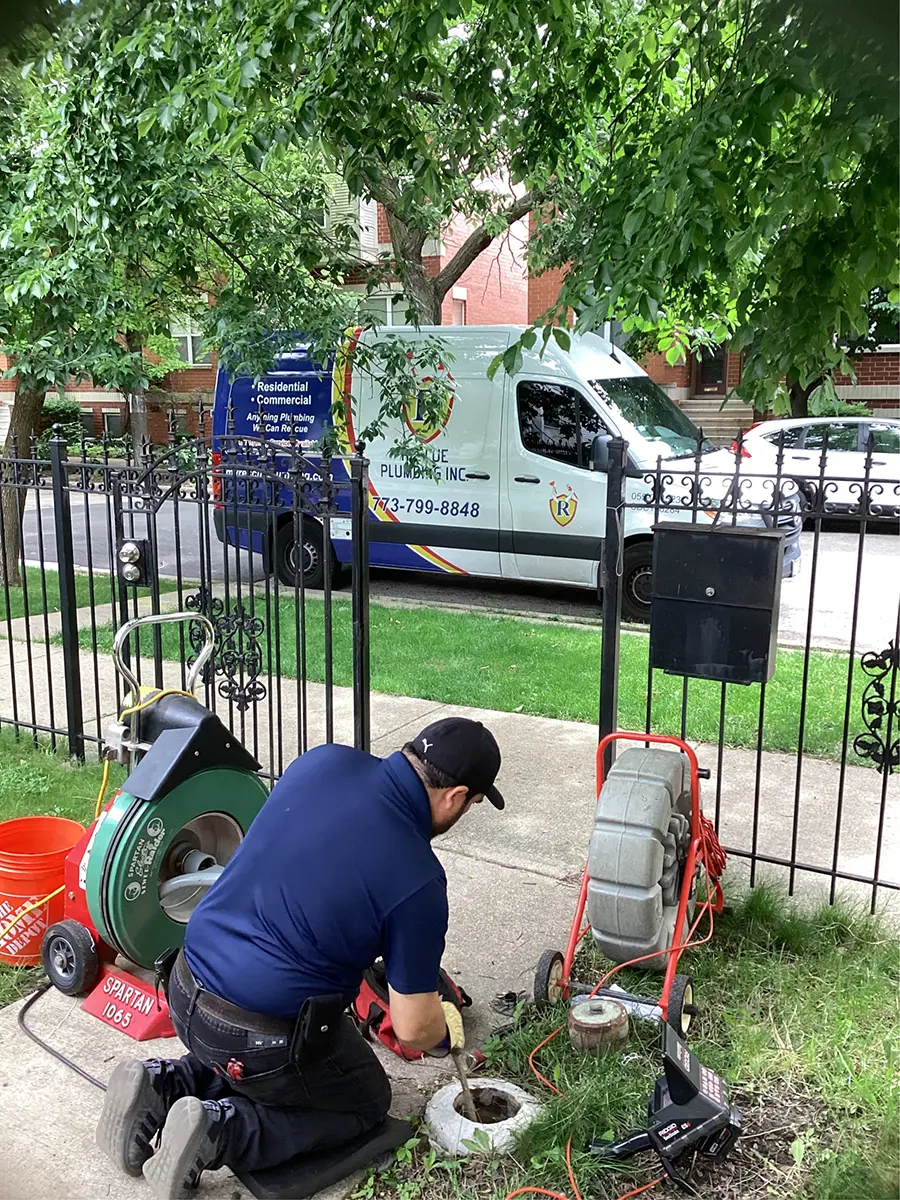
Even with regular maintenance, plumbing emergencies can still occur. Recognizing warning signs and acting quickly can minimize property damage and save on repair costs. Here’s what every homeowner should know about outdoor plumbing issues.
Common Problems
Quick action is essential for common issues, such as:
- Drainage Clogs: Slow drains, gurgling sounds, or water backing up
- Frozen Pipes: Indicated by lack of water flow, bulging pipes, or frost
- Sprinkler Issues: Leaks, broken heads, uneven watering, or drainage issues
- Sump Pump Failures: Unresponsive pumps, unusual noises, or frequent cycling
Warning Signs to Watch
Stay alert for early signs like low water pressure, damp areas in the yard, or strange sounds from pumps. Severe indicators include water backups, frozen discharge pipes, or flooding near the foundation. If you notice any of these signs, contact Rescue Plumbing for prompt assistance.
In summary, maintaining your outdoor plumbing needs is essential for year-round protection against water damage. By scheduling annual maintenance, monitoring seasonal changes, and responding promptly to warning signs, you can keep your systems in top shape.
Let Rescue Plumbing be your trusted partner for reliable maintenance, emergency services, and expert repairs. Serving Chicago and nearby suburbs, we offer:
- Professional installations and maintenance
- Code-compliant solutions
- 24/7 emergency support
- Free estimates
Contact us today at (773) 799-8848 to schedule an inspection or address any plumbing problem. Trust Chicago’s top-rated plumbing team to keep your outdoor systems running smoothly all year.