The Future of Chicago’s Drainage System
Chicago is renowned for its architectural wonders and vibrant culture, but beneath its bustling streets lies an equally important network: the drainage system. Often unnoticed, this intricate infrastructure is vital to the city’s functioning and resilience against environmental challenges. As the city continues to grow and face the challenges of climate change, the future of Chicago’s drainage system is a topic of utmost importance. This article will delve into the current state of Chicago’s drainage infrastructure, the innovations on the horizon, and the professionals and services pivotal in shaping its future.

Chicago’s drainage system is a complex network of pipes, tunnels, and treatment facilities designed to manage stormwater and wastewater. These components work in unison to protect the city from flooding and pollution, ensuring both public safety and environmental protection. Over the years, the system has faced numerous challenges, from aging infrastructure to increased rainfall due to climate change. As the city grows, so does the demand on this critical system, necessitating a proactive approach to maintenance and upgrades.
Challenges Faced by the Current System
The existing drainage infrastructure in Chicago is aging, with many pipes and components dating back several decades. This aging system is prone to leaks, blockages, and failures, necessitating frequent repairs and replacements. The sheer scale and age of the system mean that maintenance is an ongoing challenge requiring significant resources and planning. Additionally, increasing urbanization has led to a rise in impervious surfaces, which exacerbates stormwater runoff and overwhelms the system during heavy rains. As a result, the risk of flooding and subsequent damage to property and the environment becomes more pronounced.
Increased rainfall due to climate change adds another layer of complexity to managing Chicago’s drainage system. The city experiences more frequent and intense storms, which can push the existing infrastructure beyond its limits. The traditional methods of stormwater management are often insufficient to cope with these challenges, highlighting the need for innovative solutions. Furthermore, the financial burden of maintaining and upgrading such an extensive system is a significant concern for city planners and residents alike.
The Role of Professionals in Sewer and Drainage Services
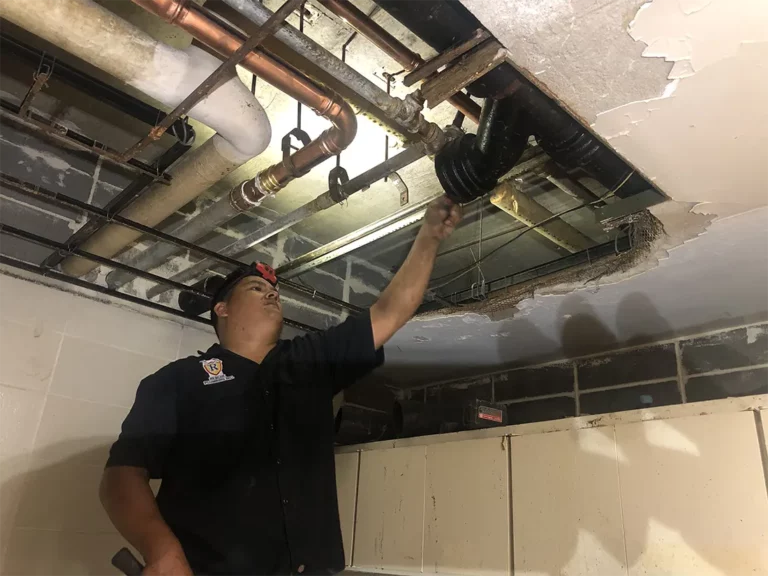
As the need for maintenance and upgrades becomes more pressing, the role of professionals in sewer and drainage services becomes crucial. These experts possess the knowledge and skills necessary to address the complex issues facing Chicago’s drainage system. Companies specializing in sewer pipe replacement, drain line repair, and underground pipe repairs are essential to maintaining and enhancing Chicago’s drainage system. Their work ensures that the infrastructure remains functional, efficient, and capable of meeting future demands.
Sewer Pipe Replacement and Repair Services

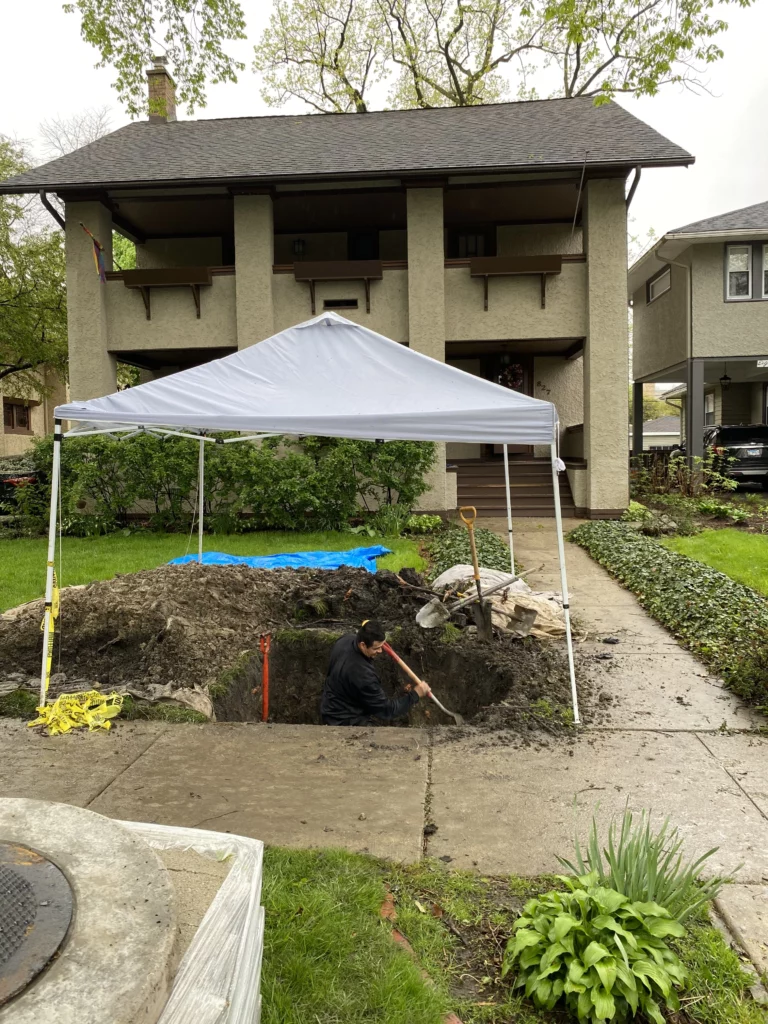
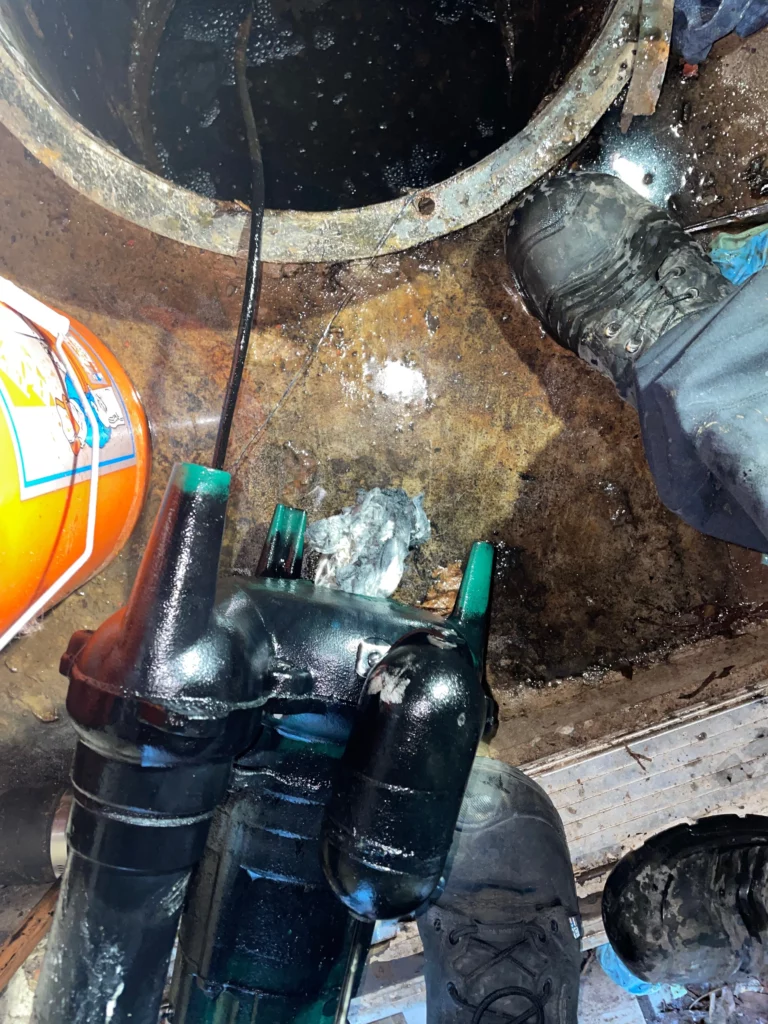
Sewer pipe replacement and repair services in Chicago are vital for addressing leaks, blockages, and other issues within the system. These professionals are equipped with the expertise and tools necessary to diagnose problems and implement effective solutions. By replacing outdated pipes and repairing damaged sections, they help prevent system failures and improve overall efficiency. The use of advanced diagnostic tools, such as cameras and sensors, allows for precise identification of issues, minimizing the need for disruptive exploratory digging.
In addition to traditional repair methods, these services are increasingly embracing innovative techniques to enhance efficiency and effectiveness. Techniques such as pipe relining and trenchless technology offer less invasive options for repairing sewer lines, reducing the impact on the surrounding environment and infrastructure. By employing such methods, professionals can address complex drainage issues with minimal disruption to daily life in Chicago, ensuring a swift return to normalcy for affected areas.
Drain Line and Underground Pipe Repair
Drain line and underground pipe repair services address issues with the pipes that carry wastewater away from homes and businesses. These companies use advanced technologies, such as trenchless repair methods, to minimize disruption and reduce costs. By employing these innovative techniques, they ensure that Chicago’s drainage system remains functional and resilient. The use of robotics and remote-operated tools allows for precise interventions in hard-to-reach areas, enhancing the scope and efficiency of repairs.
Furthermore, these services also focus on preventative maintenance to avert potential issues before they escalate. Regular inspections and monitoring enable the timely identification of vulnerabilities, allowing for proactive measures to be taken. This approach not only extends the lifespan of the drainage infrastructure but also helps mitigate the risks associated with unexpected failures. By investing in regular maintenance, Chicago can safeguard its drainage system against future challenges.
Innovations Shaping the Future of Chicago’s Drainage System
As technology advances, so do the methods and materials used in maintaining and upgrading drainage systems. Several innovations are on the horizon, promising to revolutionize Chicago’s approach to stormwater and wastewater management. These advancements offer the potential to enhance efficiency, sustainability, and resilience in the face of evolving environmental challenges.
Trenchless Technology
One of the most significant advancements in drainage system maintenance is trenchless technology. This method allows for the repair and replacement of pipes without the need for extensive excavation. By utilizing techniques such as pipe bursting and cured-in-place pipe (CIPP) lining, professionals can efficiently address issues with minimal disruption to the surrounding environment. This approach not only reduces the environmental impact of repairs but also significantly lowers costs and project timelines.
The adoption of trenchless technology is also beneficial in urban areas where space is limited, and disruption to daily activities must be minimized. By eliminating the need for large-scale excavation, this method preserves roadways, landscapes, and other critical infrastructure elements. As a result, trenchless technology represents a sustainable and efficient solution for maintaining and upgrading Chicago’s drainage system in an increasingly urbanized environment.
Smart Drainage Systems
Smart drainage systems incorporate sensors and monitoring devices to provide real-time data on the condition of pipes and the flow of water. This information enables professionals to proactively address potential issues before they become significant problems. By integrating smart technology into Chicago’s drainage infrastructure, the city can improve its ability to manage stormwater and reduce the risk of flooding. The implementation of these systems marks a shift towards a more data-driven approach to infrastructure management.
Moreover, smart drainage systems facilitate better decision-making and resource allocation by providing comprehensive insights into system performance. These systems can detect anomalies, predict maintenance needs, and optimize water flow, enhancing overall efficiency. By adopting smart technology, Chicago can enhance its resilience to climate change impacts and improve the sustainability of its drainage infrastructure.
Sustainable Materials and Practices

by Mr. Pugo (https://unsplash.com/@mrpugo)
Incorporating sustainable materials and practices into drainage system maintenance and upgrades is essential for creating a resilient infrastructure. By using eco-friendly materials and implementing green infrastructure solutions, such as permeable pavements and rain gardens, Chicago can reduce its environmental impact and enhance the system’s overall performance. These practices not only support the city’s sustainability goals but also contribute to improved water quality and biodiversity.
Sustainable drainage solutions also offer long-term economic benefits by reducing the need for costly repairs and replacements. By investing in durable, environmentally friendly materials, Chicago can extend the lifespan of its drainage infrastructure while minimizing its carbon footprint. This approach aligns with broader efforts to promote sustainability and resilience in urban environments, positioning Chicago as a leader in innovative infrastructure management.
The Importance of Comprehensive Drainage Services
The future of Chicago’s drainage system depends on the availability and effectiveness of comprehensive drainage services. These services encompass everything from routine maintenance to complete system replacements and are essential for ensuring the long-term functionality of the city’s infrastructure. By prioritizing comprehensive services, Chicago can address current challenges while preparing for future demands.
Drainage Line Replacement Services
Drainage line replacement services are critical for addressing issues with aging or damaged pipes. By replacing outdated components with new, durable materials, these services help extend the lifespan of the drainage system and improve its overall efficiency. The use of high-quality materials ensures the system can withstand the pressures of increased usage and environmental changes.
Furthermore, drainage line replacement services are essential for maintaining public health and safety. By ensuring that wastewater is effectively managed, these services prevent contamination and protect the city’s water resources. By investing in these critical services, Chicago can enhance the reliability and resilience of its drainage system, safeguarding its residents and environment.
Sewer System Replacement Services
Sewer system replacement services involve the complete overhaul of the existing infrastructure. This process is necessary when the system is beyond repair or unable to meet the demands of a growing population. By investing in sewer system replacement services, Chicago can ensure that its drainage infrastructure is capable of handling future challenges. A comprehensive replacement strategy allows for the integration of modern technologies and materials, enhancing overall system performance.
In addition to addressing immediate infrastructure needs, sewer system replacement services also provide an opportunity to incorporate innovative solutions. By implementing advanced materials and technologies, the city can create a more efficient and sustainable drainage system. This forward-thinking approach positions Chicago to better manage future growth and environmental challenges, ensuring the long-term health and prosperity of its communities.
Preparing for the Future
As Chicago looks to the future, it’s essential to prioritize investments in its drainage system. By embracing new technologies, working with experienced professionals, and implementing sustainable practices, the city can create a resilient infrastructure capable of withstanding the challenges posed by climate change and urbanization. This proactive approach is crucial for maintaining the city’s vitality and quality of life.
Collaboration and Community Engagement
The success of Chicago’s drainage system improvements depends on collaboration between city officials, drainage professionals, and the community. By fostering open communication and engaging with residents, the city can ensure that its efforts align with the needs and priorities of its citizens. Collaborative planning and decision-making processes enable the development of solutions that are both effective and equitable.
Community engagement is also vital for building public support for necessary investments in drainage infrastructure. By involving residents in the planning process, the city can foster a sense of ownership and accountability. This collaborative approach not only enhances the effectiveness of drainage system improvements but also strengthens community resilience to future environmental challenges.
Education and Awareness
Educating the public about the importance of a robust drainage system and the role of professionals in maintaining it is crucial for garnering support for necessary investments. By raising awareness about the challenges and solutions associated with drainage infrastructure, Chicago can build a more informed and engaged community. Public education campaigns can highlight the benefits of innovative technologies and sustainable practices, encouraging community participation in ongoing efforts.
Moreover, education initiatives can empower residents to take action in their own neighborhoods, promoting sustainable practices and reducing stormwater runoff. By equipping the public with knowledge and resources, Chicago can cultivate a culture of environmental stewardship and resilience. These efforts contribute to the long-term sustainability and success of the city’s drainage system, ensuring a prosperous future for all residents.
Conclusion
The future of Chicago’s drainage system is a complex and multifaceted issue that requires the collaboration of city officials, professionals, and residents. By embracing innovations, investing in comprehensive services, and prioritizing sustainability, Chicago can create a resilient infrastructure capable of meeting the demands of a growing city. As we look to the future, it’s essential to recognize the importance of a robust drainage system and the role it plays in ensuring the health, safety, and prosperity of Chicago and its residents. Through concerted efforts and forward-thinking strategies, the city can build a drainage system that not only meets current needs but also adapts to future challenges, safeguarding its legacy for generations to come.