Essential Shower Repair Tips: Leaks, Clogs & Water Damage
Shower repairs can often seem daunting, but with the right guidance, you can tackle them effectively and ensure your bathroom remains in top-notch condition. Whether you’re dealing with a leaky shower door, water damage, or any other common issues, understanding the basics of shower repair can save you both time and money.
In this article, we’ll walk you through essential tips for effective shower repair, covering everything from shower door repair to addressing water damage. Let’s dive into these key insights and equip you with the knowledge to handle shower repairs like a pro.
Common Shower Leak Causes
Before diving into repair techniques, it’s crucial to identify the common issues that might arise in your shower. Recognizing these problems early can prevent further damage and costly repairs down the line. Understanding the root causes and symptoms of these issues is the first step toward effective solutions.
Leaky Shower Doors
One of the most frequent issues is a leaky shower door. This can lead to water pooling outside the shower, potentially causing water damage to your bathroom floor and walls. Leaky doors are usually due to worn-out seals or poor installation.
A leaky shower door can be more than just an inconvenience; it can escalate into a significant problem if left unaddressed. The constant exposure to water can weaken structural elements and promote mold growth. Understanding the cause of the leak, such as gaps in the door seal or misalignment, is critical for effective repair.
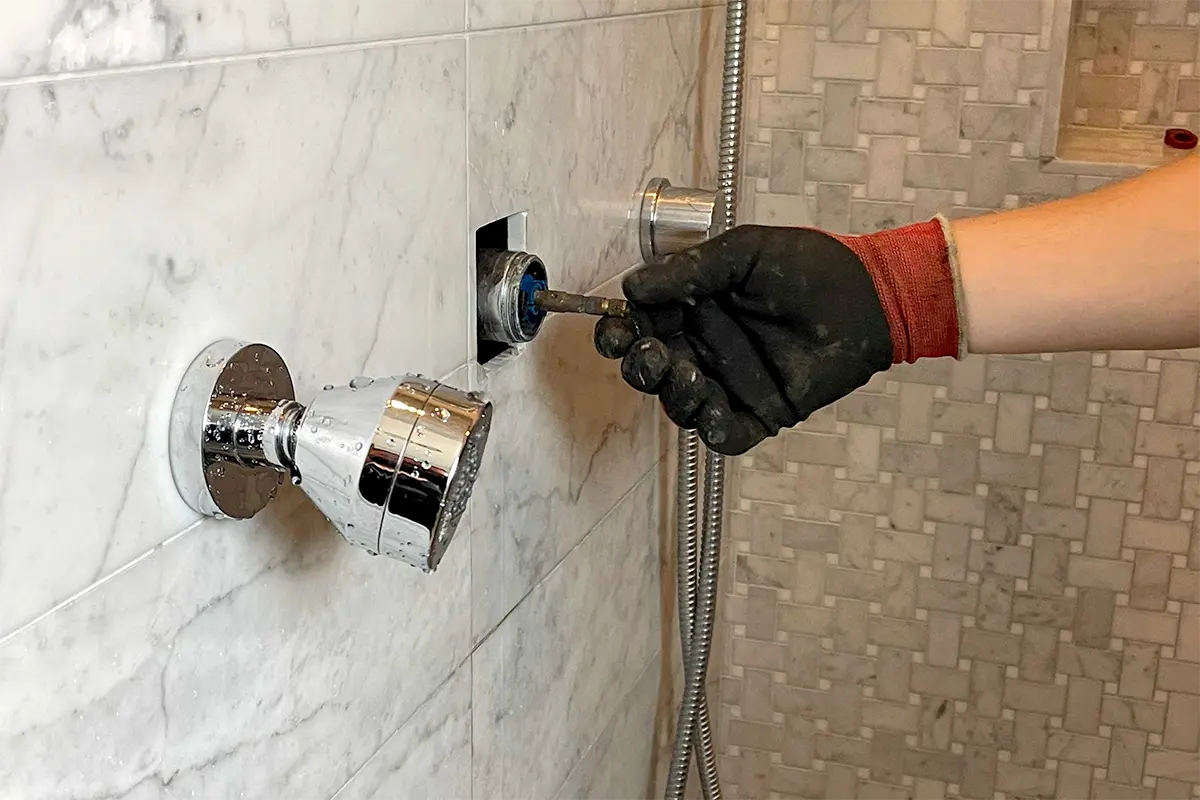
Additionally, consider the material of your shower door. Glass doors, for instance, may have different maintenance needs than plastic or acrylic doors. Regular inspection and maintenance can help catch issues early, minimizing potential water damage.
Water Damage
Water damage is another prevalent problem, often resulting from persistent leaks. Over time, this can lead to mold growth, structural damage, and unsightly stains. Addressing water damage promptly is crucial to preserving the integrity of your bathroom.
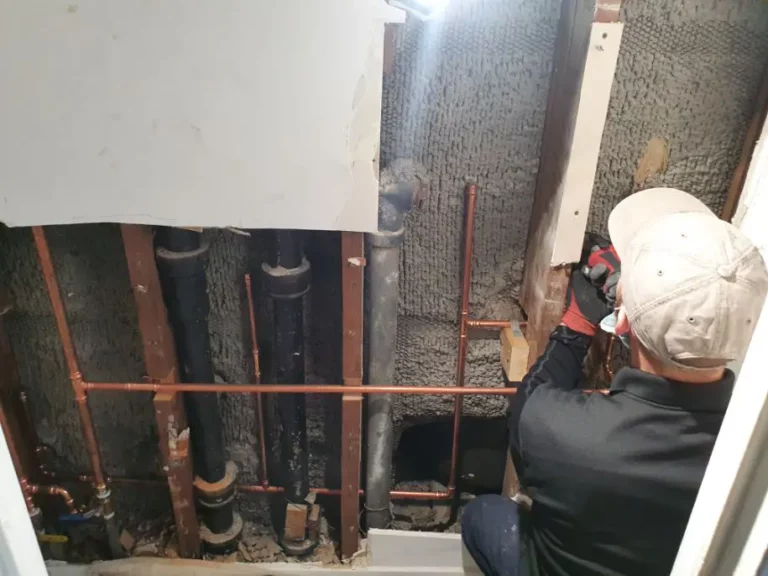
The first signs of water damage might include discoloration, peeling paint, or a musty odor. It’s essential to act quickly to identify the source of the leak and prevent further damage. Sometimes, water damage can be hidden behind walls or under flooring, requiring more extensive investigation.
In addition to repairing the immediate damage, it’s important to address the root cause to prevent future issues. This could involve fixing leaks, improving ventilation, or applying waterproof coatings to vulnerable areas. Regular monitoring for signs of water damage can help maintain a healthy bathroom environment.
Clogged Drains
Clogged drains, often caused by hair and soap buildup, can cause water to back up, leading to unpleasant odors and potential water overflow. Addressing clogs promptly can prevent more significant plumbing issues.
Preventive measures, such as using a drain cover or regularly cleaning the drain, can minimize the risk of clogs. However, if a clog does occur, it’s important to choose the right method for clearing it. Plunging, snaking, or using chemical cleaners are common solutions, but each has its own set of considerations.
Regular maintenance and inspection of your shower drain can help catch clogs early. Additionally, educating household members about what can and cannot go down the drain can go a long way in preventing clogs. An efficient drainage system is key to a functional shower.
Shower Door Repair Tips
Repairing a shower door might seem complex, but with a few straightforward steps, you can resolve most issues effectively. A well-functioning shower door is essential for preventing leaks and ensuring a pleasant shower experience.

Inspect and Replace Seals
Begin by inspecting the seals around your shower door. If they appear worn or brittle, it’s time to replace them. You can purchase new seals at most hardware stores and install them with minimal tools.
Seals play a crucial role in preventing water from escaping the shower. Over time, they can degrade due to exposure to moisture and cleaning products. Regular inspection of seals can help identify wear and tear early on, allowing for timely replacement.
When replacing seals, ensure you choose the right type and size for your door. Proper installation is key to their effectiveness, so take your time to fit them securely. A well-sealed door not only prevents leaks but also enhances the overall aesthetic of your bathroom.
Tighten Loose Screws
Loose screws can cause your shower door to misalign, leading to leaks. Tighten any loose screws on the door hinges and handle. If screws are stripped, replace them to ensure a secure fit.
Misaligned doors can create gaps that allow water to escape. Regularly checking and tightening screws can prevent such issues. If you find that screws are frequently loosening, it may be worth investigating the door’s alignment and balance.
Replacing stripped screws with new ones can enhance the stability and functionality of your shower door. It’s a simple yet effective step in maintaining a watertight seal. A well-secured door contributes to a leak-free shower experience.
Addressing Water Damage
Water damage can have serious consequences if not addressed promptly. Here are some steps to mitigate and repair water damage in your bathroom. Quick action is essential to prevent further deterioration and maintain a safe and healthy environment.

Identify the Source
The first step in addressing water damage is identifying the source of the leak. This could be a faulty shower door, a leaking pipe, or a damaged tile. Once you’ve pinpointed the source, you can take appropriate action.
Thorough inspection is necessary to accurately identify the source of water damage. Use moisture meters or infrared cameras to detect hidden leaks behind walls or under flooring. Identifying the source allows you to target repairs effectively.
In some cases, multiple sources may contribute to water damage. It’s important to address all potential causes to prevent future recurrence. Comprehensive assessment and targeted repairs are key to successful water damage management.
Repair or Replace Damaged Materials
Depending on the extent of the damage, you may need to repair or replace damaged materials. This could involve replacing waterlogged drywall, regrouting tiles, or repairing a leaky pipe. Choosing the right approach is crucial for effective restoration.
Assess the condition of damaged materials to determine whether repair or replacement is necessary. In some cases, minor repairs can restore functionality, while severe damage may require full replacement. Consider factors such as cost, durability, and aesthetics when making decisions.
Professional consultation may be beneficial for extensive repairs, ensuring that structural integrity and safety are maintained. Prompt action and thorough repairs can prevent further deterioration and preserve the beauty of your bathroom.
Prevent Future Damage
To prevent future water damage, consider sealing your bathroom tiles and ensuring that all seals around your shower are intact. Regular maintenance can go a long way in preventing recurring issues. Proactive measures are key to a water-resistant and durable bathroom.
Apply water-resistant coatings to vulnerable areas and use high-quality materials for repairs. These measures enhance the longevity and resilience of your bathroom surfaces. Regular inspections and maintenance of seals and fixtures can catch potential issues early on.
Additionally, improving ventilation can reduce moisture buildup and prevent mold growth. Implementing preventive measures creates a healthier and more enjoyable bathroom environment.
Unclogging Shower Drains
A clogged drain can be a nuisance, but it’s usually easy to fix with the right approach. Keeping your shower drain clear ensures a smooth and pleasant shower experience.

Use a Plunger
A plunger is often the first tool to try when dealing with a clogged drain. Ensure a tight seal and plunge vigorously to dislodge the blockage. Effective plunging can quickly restore proper drainage.
To maximize effectiveness, fill the shower base with enough water to cover the plunger’s head. This creates the necessary pressure to dislodge the clog. Plunging is an environmentally friendly and cost-effective solution for minor clogs.
If plunging doesn’t resolve the issue, it may indicate a more stubborn clog. Consider alternative methods or professional assistance for persistent blockages. Regular use of a plunger can help maintain a clear drain.
Try a Drain Snake
If a plunger doesn’t do the trick, a drain snake can be highly effective. Insert the snake into the drain and twist it to break up and remove the clog. A drain snake can reach deeper clogs that plunging may not dislodge.
Choose a snake with appropriate length and flexibility for your shower drain. Gently maneuver the snake to avoid damaging pipes or fixtures. With practice, using a drain snake can become a valuable skill for maintaining a clear drain.
Regularly using a drain snake as part of maintenance can prevent clogs from becoming severe. It’s a versatile tool for addressing a variety of drain issues.
Chemical Drain Cleaners
As a last resort, you might consider using a chemical drain cleaner. Be cautious, as these can be harsh and potentially damaging to your pipes if used excessively. Chemical cleaners can be effective but should be used sparingly.
Follow the manufacturer’s instructions carefully and use protective gear when handling chemical cleaners. Consider environmentally friendly options to minimize impact on the environment. Reserve chemical cleaners for stubborn clogs that other methods can’t resolve.
Regular maintenance and prevention can reduce the need for chemical cleaners. Educating household members on proper drain use can also minimize clogs.
Preventive Maintenance Tips
Preventive maintenance can save you from frequent shower repairs. Here are some tips to keep your shower in excellent condition. Regular upkeep not only prevents problems but also extends the lifespan of your shower.
Regularly Clean and Inspect
Regular cleaning can prevent soap scum and mineral deposits from building up. Additionally, inspect your shower for any signs of wear or damage. A clean and well-maintained shower enhances your bathroom experience.
Use mild cleaners and non-abrasive tools to clean surfaces without causing damage. Pay attention to hard-to-reach areas where buildup can occur. Consistent cleaning prevents stains and prolongs the life of your shower.
Inspection should include checking seals, fixtures, and tiles for signs of wear. Early detection allows for prompt repair, preventing more extensive issues. A proactive approach to cleaning and inspection maintains a functional and attractive shower.
Check for Leaks
Periodically check for leaks around your shower door and fixtures. Early detection can prevent more severe issues from developing. Regular leak checks are essential for maintaining a watertight bathroom.
Use visual inspections and moisture meters to identify potential leaks. Address any signs of moisture promptly to prevent water damage. Regular leak checks can save time and money by catching issues before they escalate.
Educating household members about signs of leaks can enhance early detection efforts. A vigilant approach to leak prevention preserves the integrity of your bathroom.
Replace Worn-out Parts
If you notice any worn-out parts, such as seals, gaskets, or tiles, replace them promptly to maintain the integrity of your shower. Timely replacement of worn components is vital for a durable and reliable shower.
Keep spare parts on hand for quick replacement when needed. Choose high-quality materials to ensure longevity and performance. Regularly assess the condition of parts to determine when replacement is necessary.
Proactive replacement of worn parts minimizes the risk of leaks and damage. It also contributes to a more enjoyable shower experience for you and your family.
Summary
Effective shower repair doesn’t have to be overwhelming. By understanding common issues and following these essential tips, you can address problems swiftly and maintain a functional and beautiful bathroom. Whether it’s repairing a leaky shower door or addressing water damage, taking proactive steps can ensure your shower serves you well for years to come.
Remember, regular maintenance is key to preventing issues before they escalate. Keep your shower in top condition with these tips and enjoy a hassle-free bathroom experience. A little effort and knowledge go a long way in preserving the comfort and beauty of your bathroom.
The Smart Choice for Homeowners
Our Chicago Area Locations:
Lincoln Park Location 1137 W Webster Ave Chicago, IL 60614 Available 24/7
Lakeview Location 3409 N Paulina St Chicago, IL 60657 Available 24/7
Lincoln Square Location 5141 N Lincoln Ave Chicago, IL 60625 Available 24/7
Wilmette Location 1100 Manor Dr Wilmette, IL 60091 Available 24/7
Deerfield Location 557 Deerfield Rd Deerfield, IL 60015 Available 24/7
Winchester Location 839 N. Winchester Ave, Chicago, IL 60622
North Location 2716 W North Ave Suite 1, Chicago, IL 60647
Milwaukee Location 6315 N Milwaukee Ave, Chicago, IL 60646
With 8 locations across the Chicago metropolitan area, Rescue Plumbing’s licensed and insured plumbers are ready to rescue you from any plumbing emergency, 24 hours a day, 7 days a week.
Illinois Department of Public Health Plumbing Contractors License: #055-044523